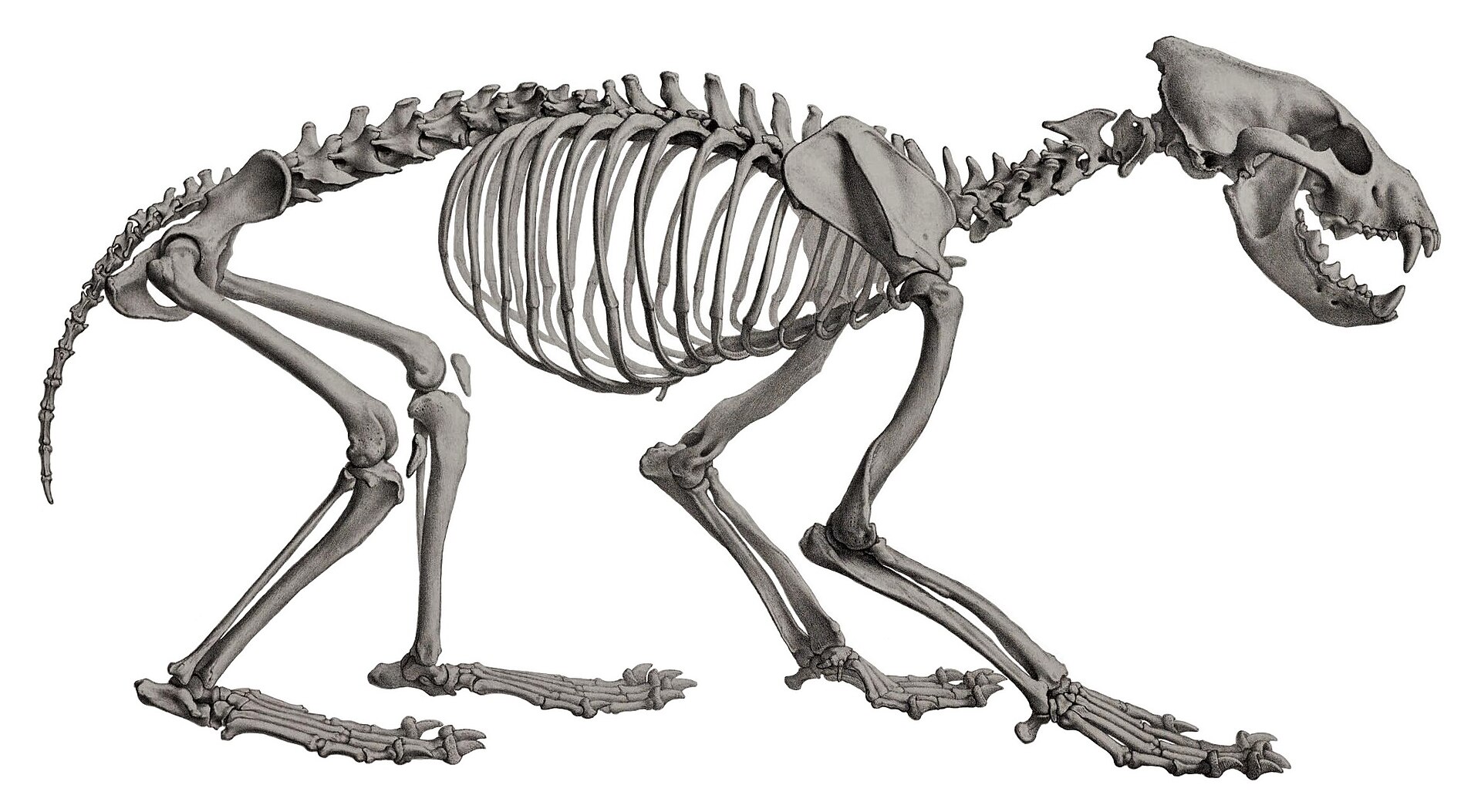
Wolverine — Gulo gulo
Geologic period: Pleistocene — Irvingtonian
Age: Pleistocene, Irvingtonian for the documented Smithsonian fossil.
Feeding: Carnivorous and scavenging.
Evidence: The skeleton directly identifies the species and documents its past distribution.
Why it matters: The wolverine reminds visitors that some Ice Age species survived into the modern world while their geographic ranges changed.
Plain Language Identity: The living wolverine species represented by a Pleistocene fossil.
What You Are Looking At: A fossil skeleton of Gulo gulo.
Ecosystem: Pleistocene North American terrestrial ecosystem.
Source Urls: https://naturalhistory.si.edu/visit/virtual-tour/current-exhibits/deep-time-virtual-tour-fossil-list; https://www.si.edu/object/gulo-gulo-linnaeus-1758:nmnhpaleobiology_3579937
Find Location: Maryland, United States for documented Smithsonian material.
Enrichment Method: SAGE curated research pass; title + scientific name + source scene matched; chronology and taxonomy conflicts retained rather than silently corrected; evidence separated from inference
Scientific name: Gulo gulo
Evidence / representation: historical_anatomical_illustration
historical_anatomical_illustration
After the Dinosaurs: Mammals, Ice Ages and the World We Inherited.
Media license: Public domain
This object page stays inside SAGE Museum. The Smithsonian link below is provided only as the original scholarly collection record. It opens separately.
VIEW ORIGINAL SMITHSONIAN RECORD ↗