Rebirth and the Rising Sun
Egyptians connected the scarab beetle with Khepri, the rising form of the sun. The beetle became a visual language for emergence, renewal and transformation.
Enter a world in which death was not treated as disappearance, but as a transformation that demanded preparation. This exhibition follows tombs, mummification, sacred animals, gods, amulets, science and the objects Egyptians created for an existence they believed could continue beyond the grave.
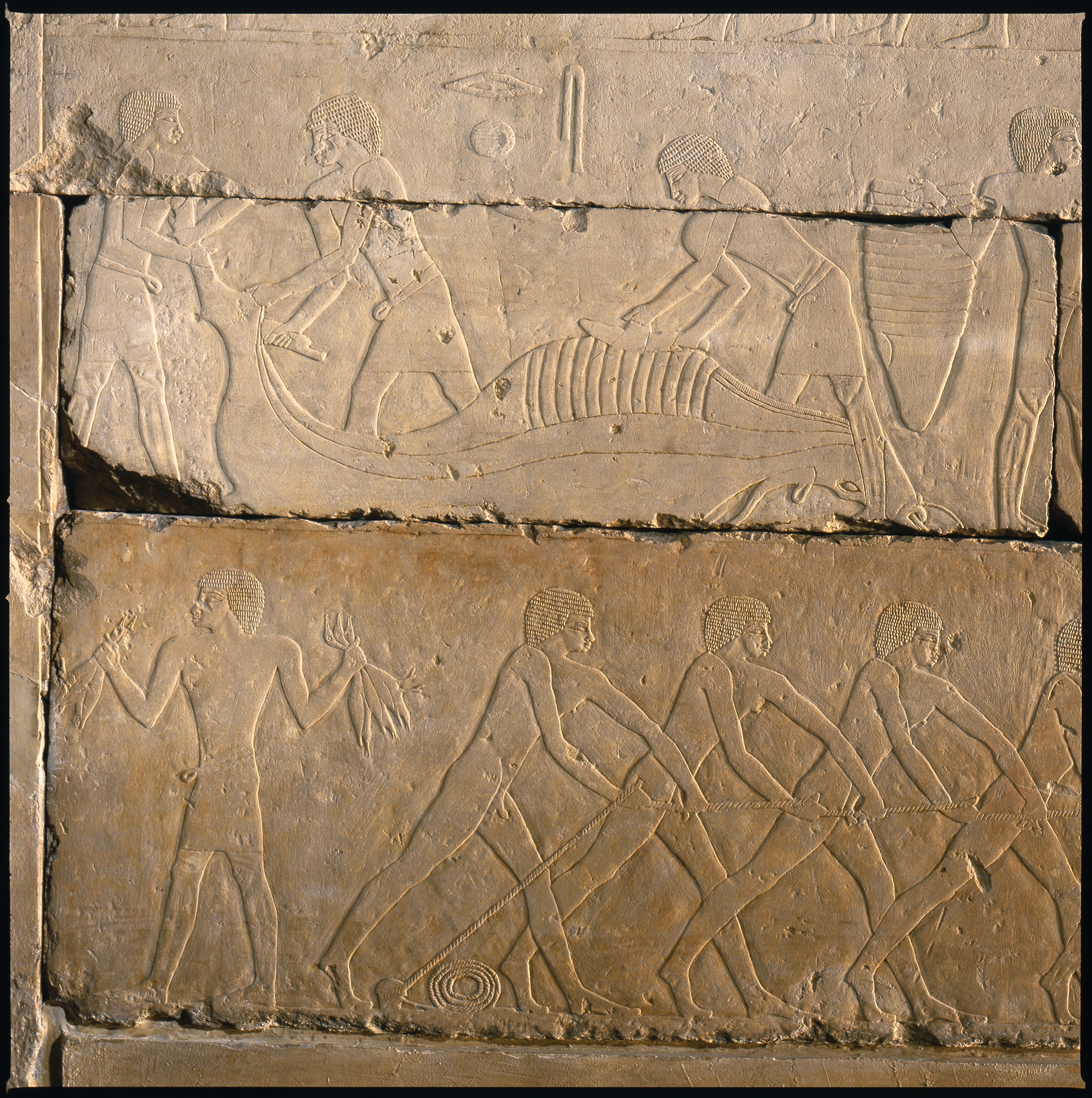
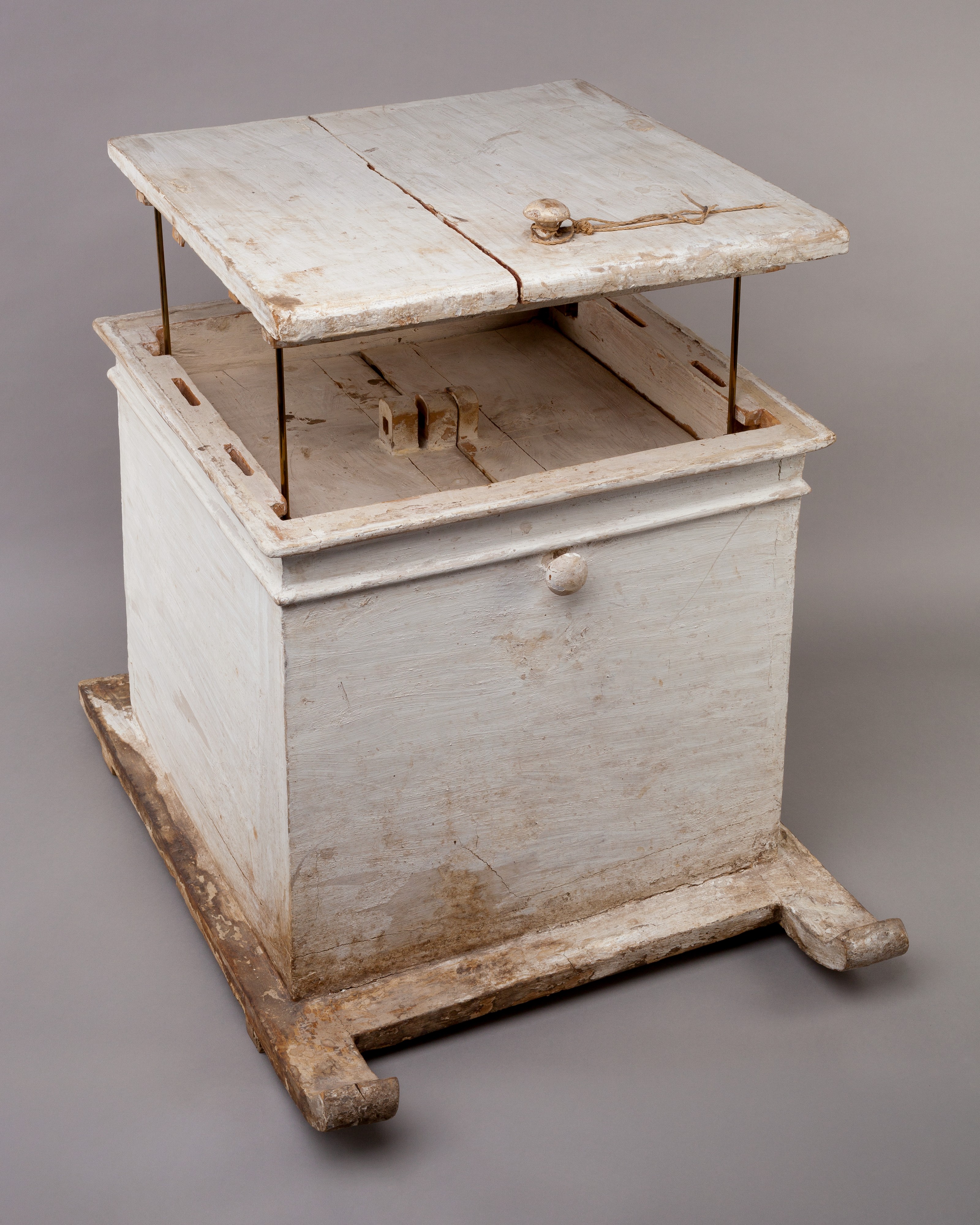
This supporting object helps reconstruct the material world of an Egyptian burial. Tombs could preserve food, furnishings, offerings, images and personal possessions intended to sustain the deceased beyond death.
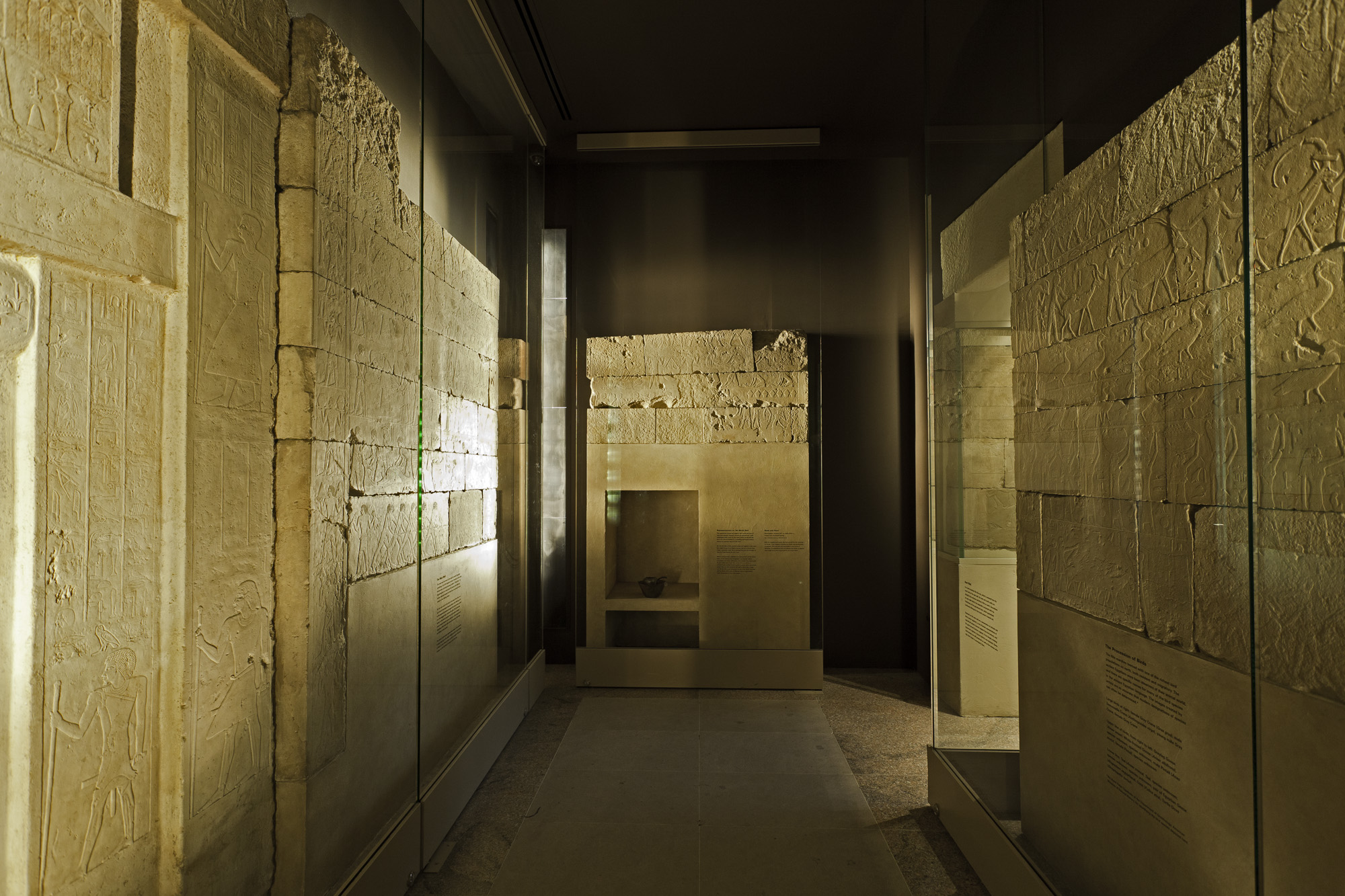
This supporting object helps reconstruct the material world of an Egyptian burial. Tombs could preserve food, furnishings, offerings, images and personal possessions intended to sustain the deceased beyond death.
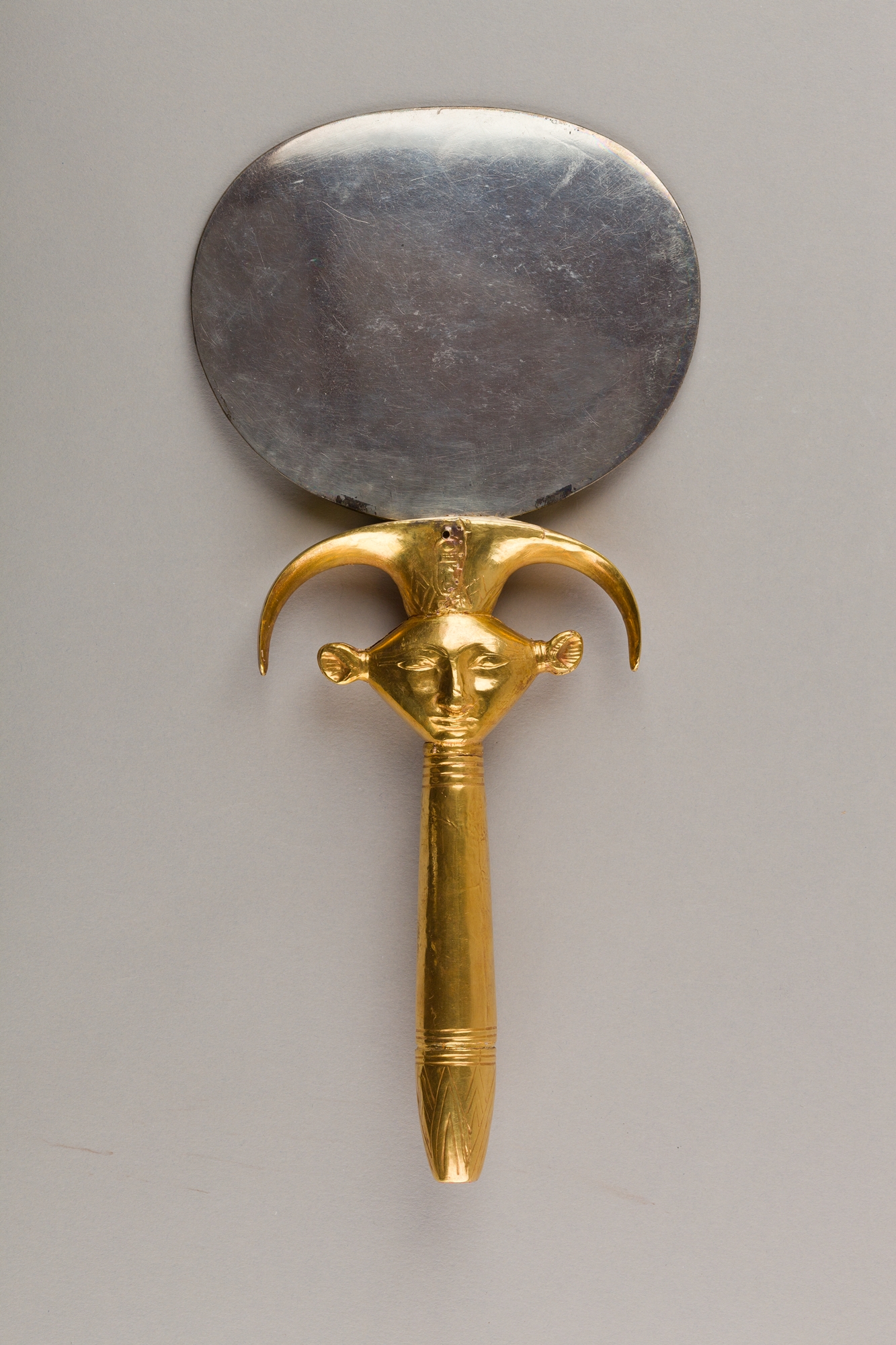
This supporting object helps reconstruct the material world of an Egyptian burial. Tombs could preserve food, furnishings, offerings, images and personal possessions intended to sustain the deceased beyond death.
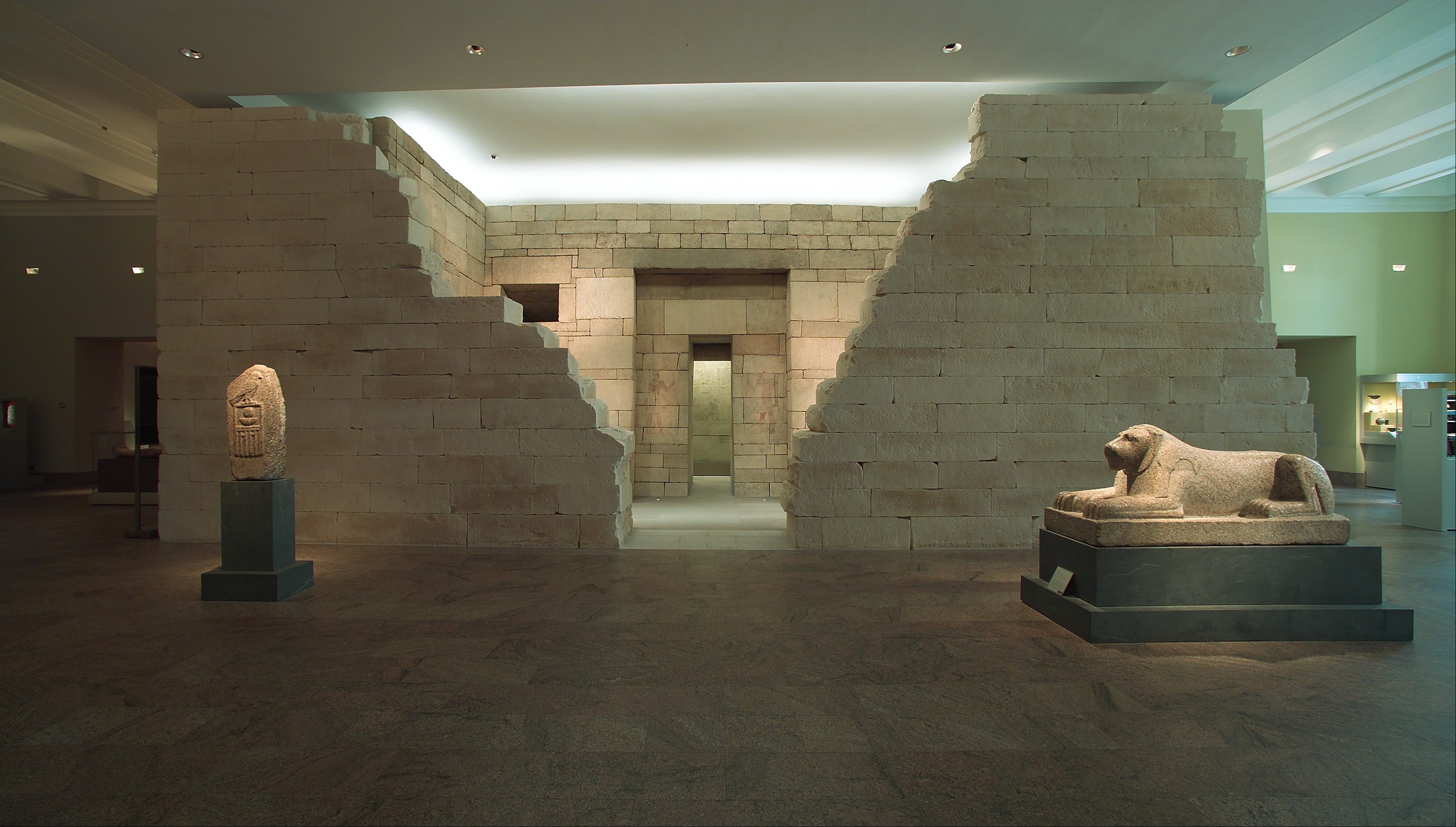
This supporting object helps reconstruct the material world of an Egyptian burial. Tombs could preserve food, furnishings, offerings, images and personal possessions intended to sustain the deceased beyond death.
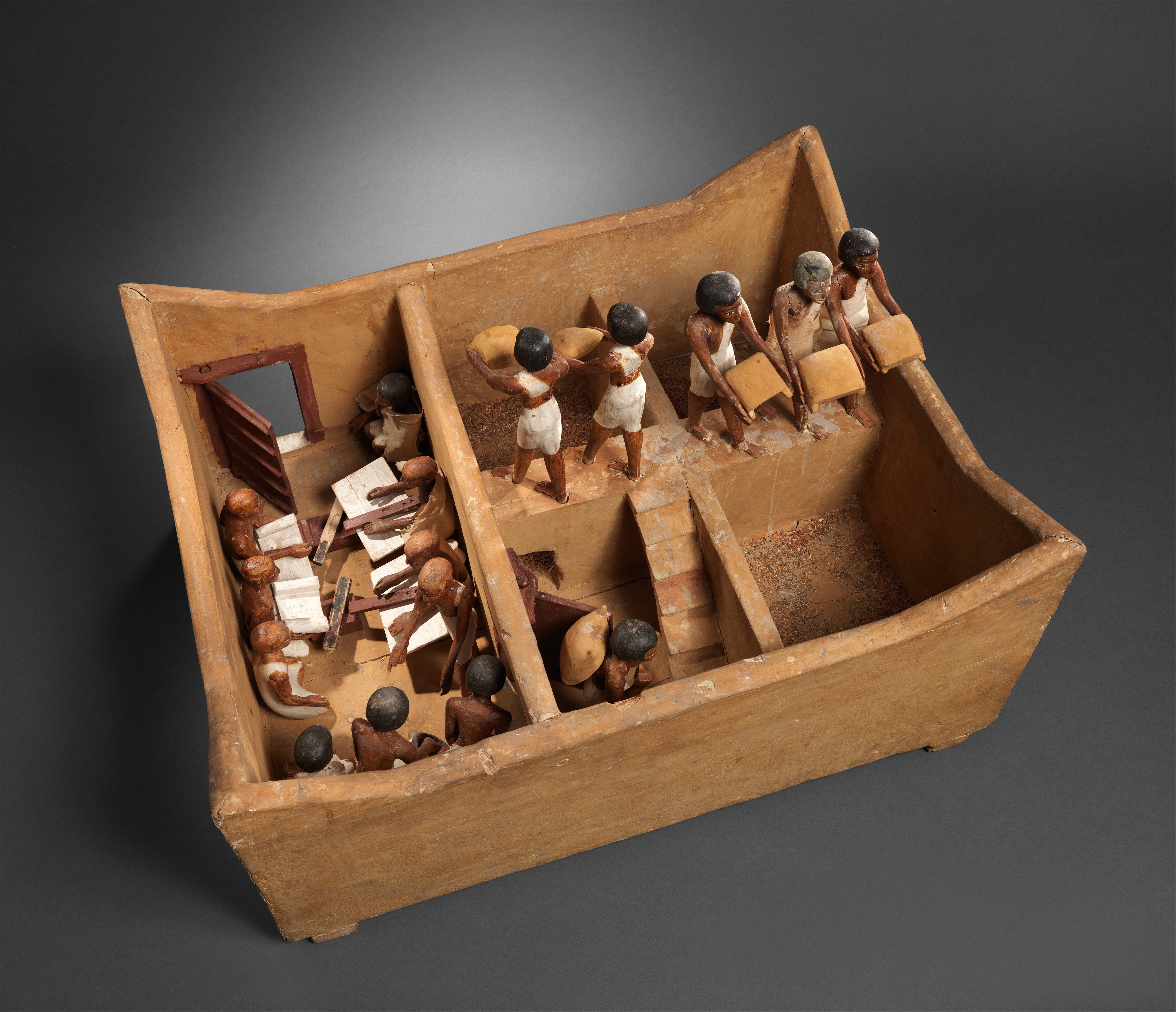
This supporting object helps reconstruct the material world of an Egyptian burial. Tombs could preserve food, furnishings, offerings, images and personal possessions intended to sustain the deceased beyond death.
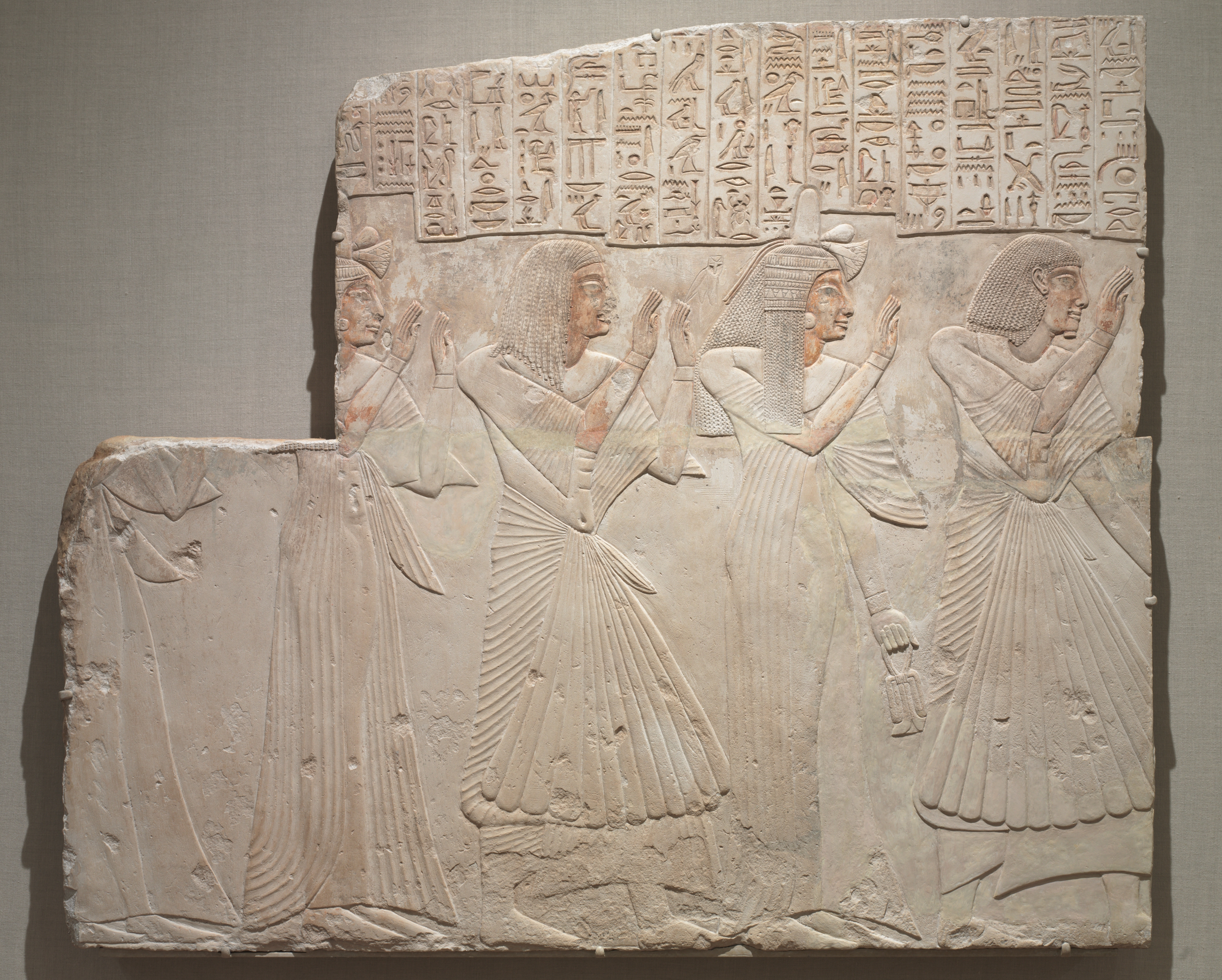
This supporting object helps reconstruct the material world of an Egyptian burial. Tombs could preserve food, furnishings, offerings, images and personal possessions intended to sustain the deceased beyond death.
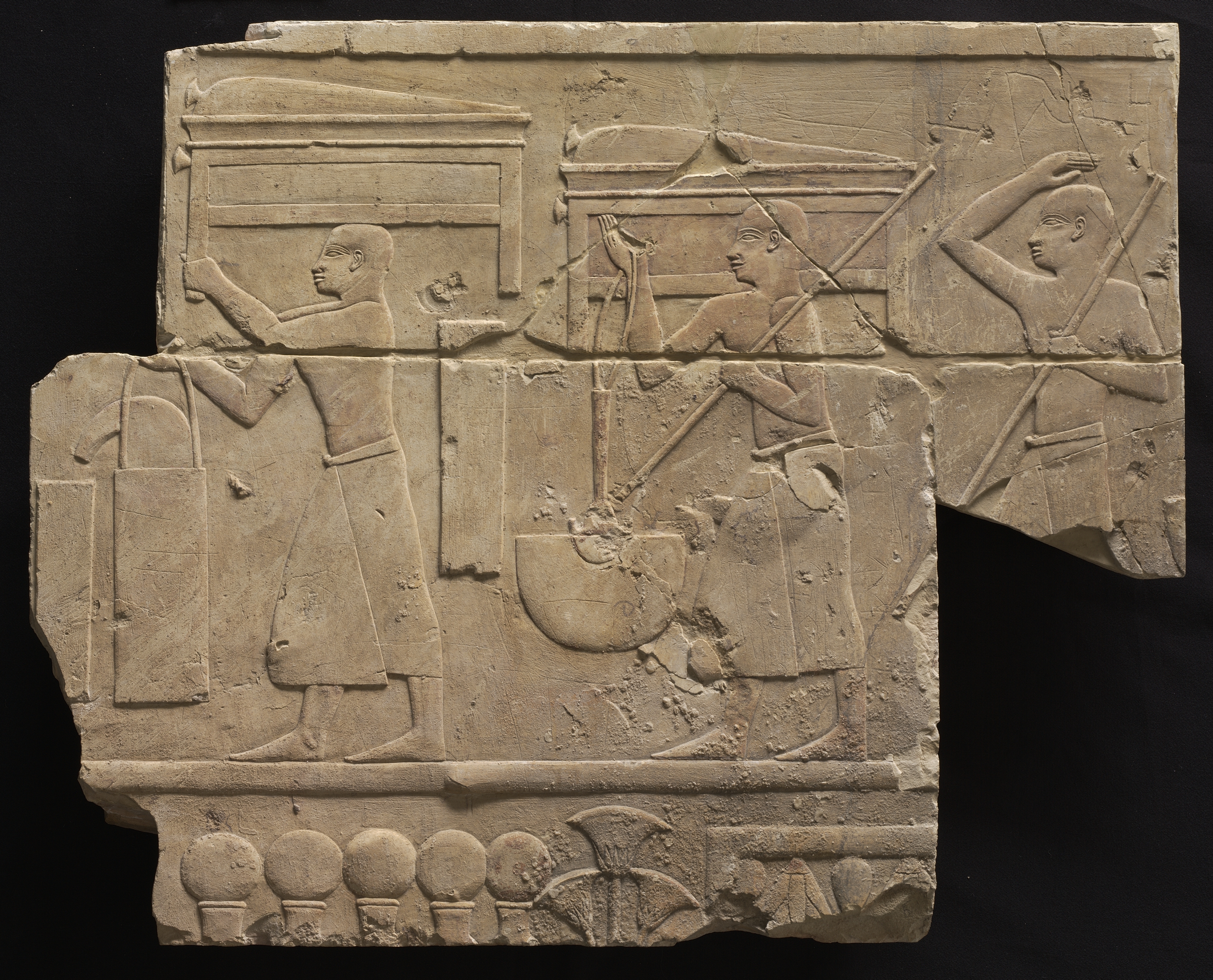
This supporting object helps reconstruct the material world of an Egyptian burial. Tombs could preserve food, furnishings, offerings, images and personal possessions intended to sustain the deceased beyond death.
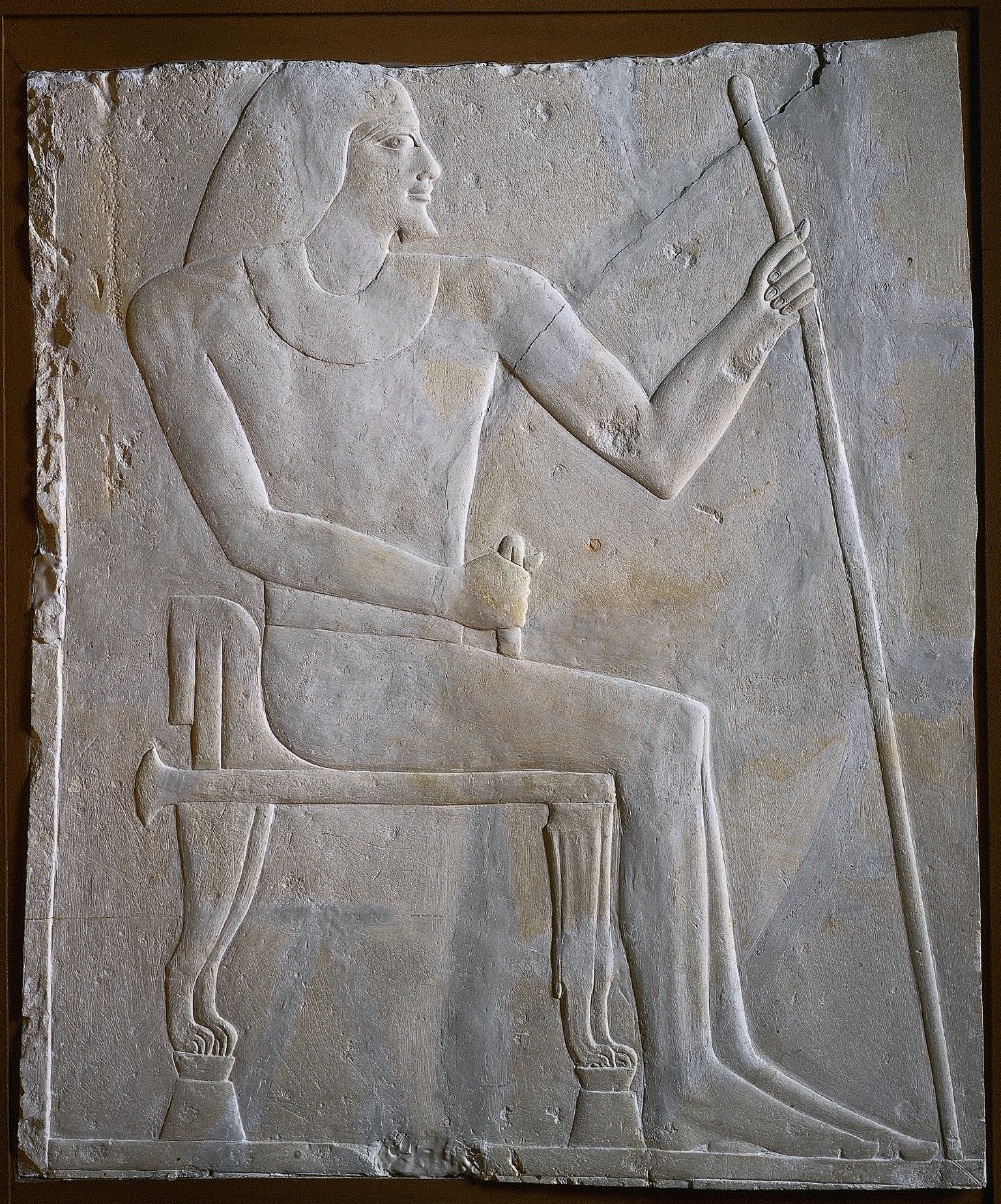
This supporting object helps reconstruct the material world of an Egyptian burial. Tombs could preserve food, furnishings, offerings, images and personal possessions intended to sustain the deceased beyond death.
Canopic equipment belonged to the funerary system surrounding preservation of the dead. Vessels and containers were associated with the treatment and ritual protection of the internal organs.
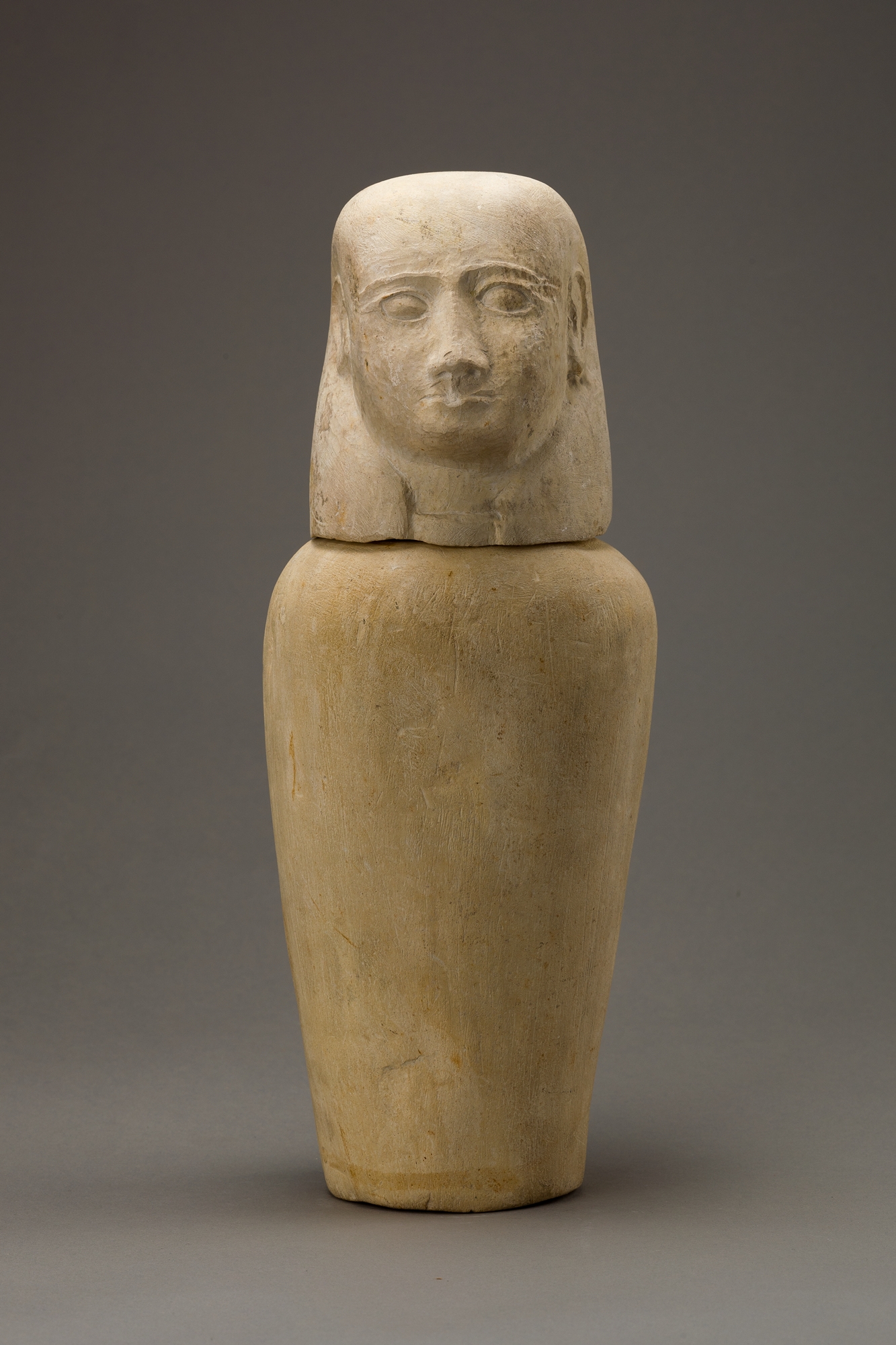
Canopic equipment belonged to the funerary system surrounding preservation of the dead. Vessels and containers were associated with the treatment and ritual protection of the internal organs.
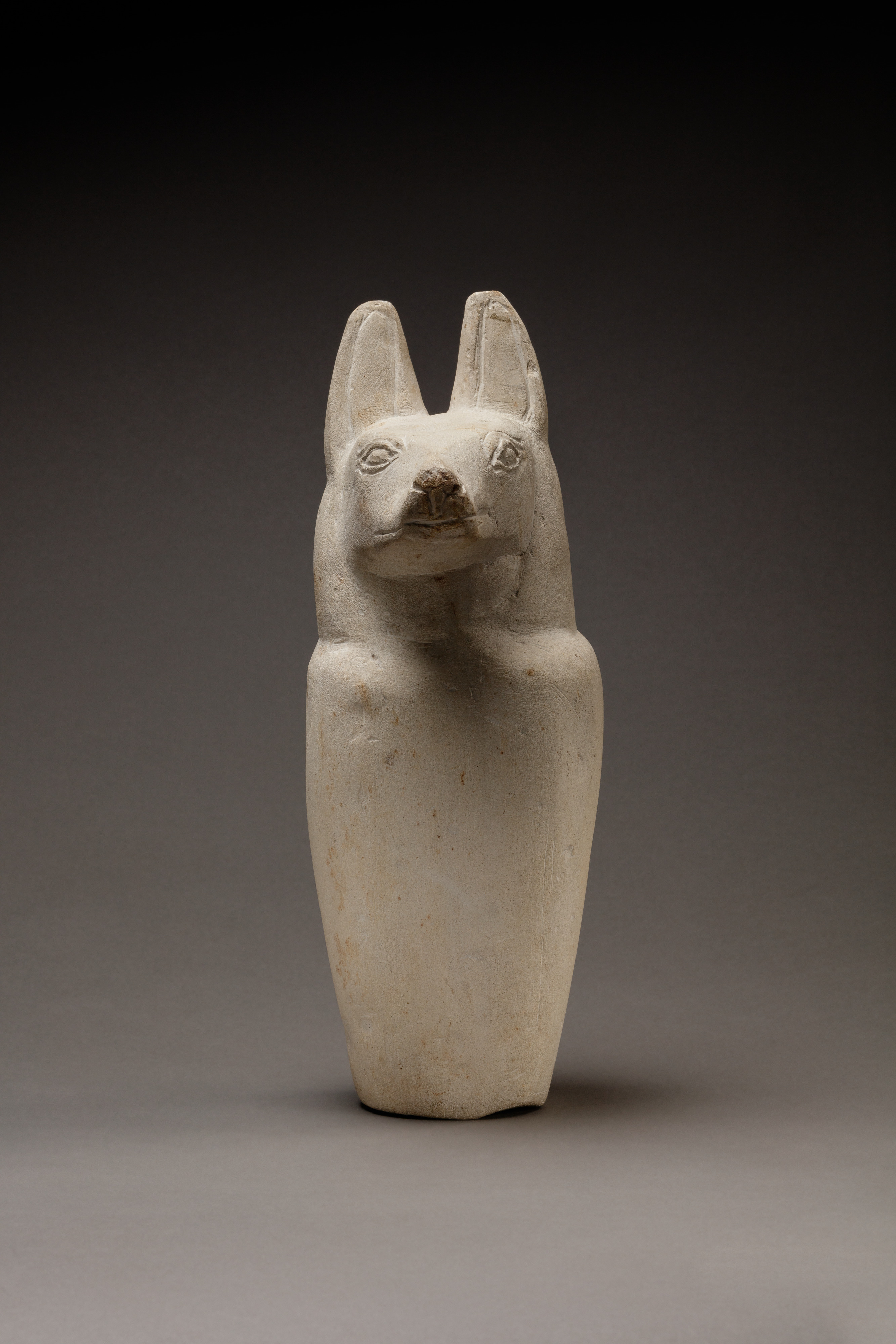
Canopic equipment belonged to the funerary system surrounding preservation of the dead. Vessels and containers were associated with the treatment and ritual protection of the internal organs.
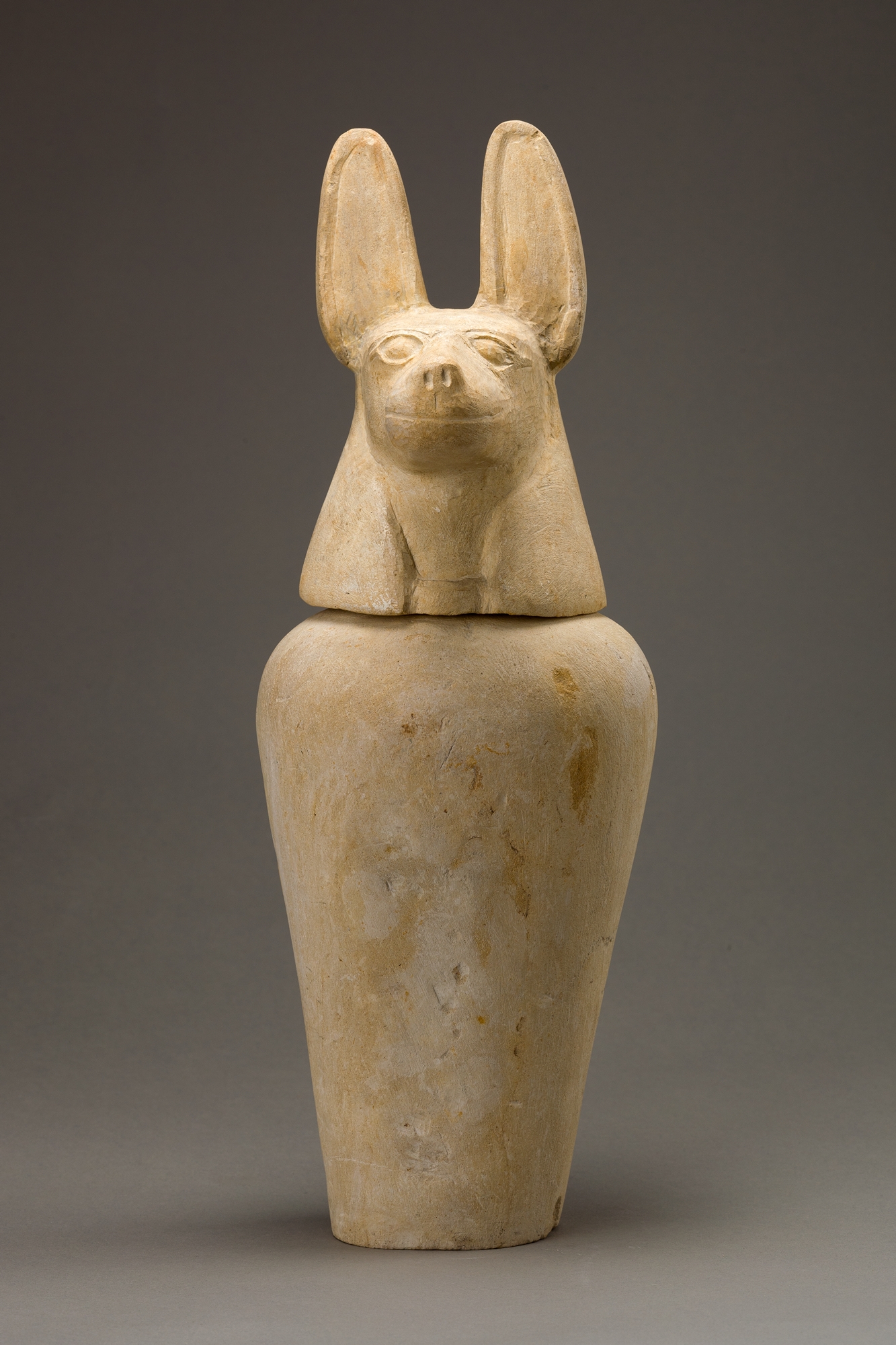
Canopic equipment belonged to the funerary system surrounding preservation of the dead. Vessels and containers were associated with the treatment and ritual protection of the internal organs.
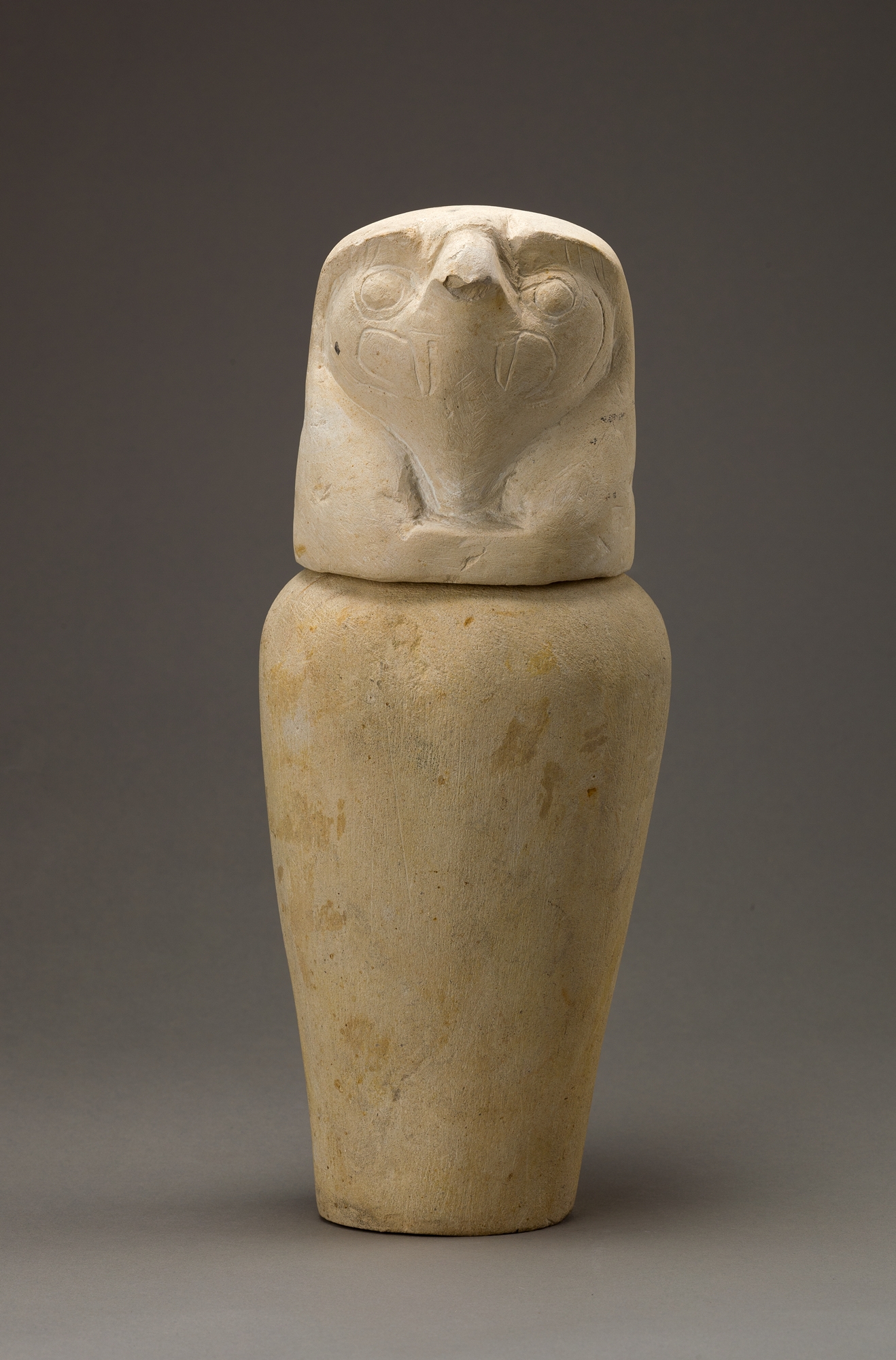
Canopic equipment belonged to the funerary system surrounding preservation of the dead. Vessels and containers were associated with the treatment and ritual protection of the internal organs.
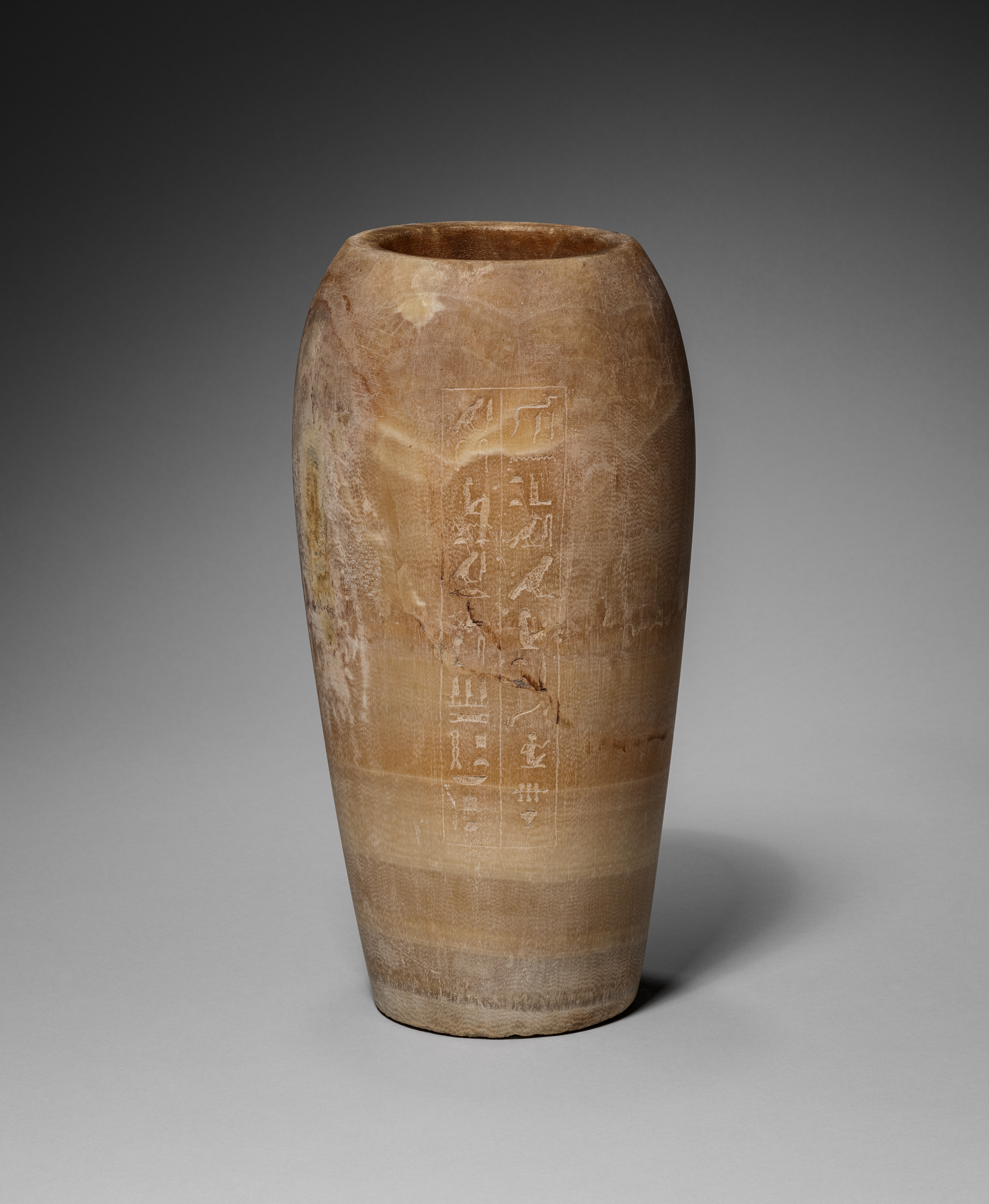
Canopic equipment belonged to the funerary system surrounding preservation of the dead. Vessels and containers were associated with the treatment and ritual protection of the internal organs.
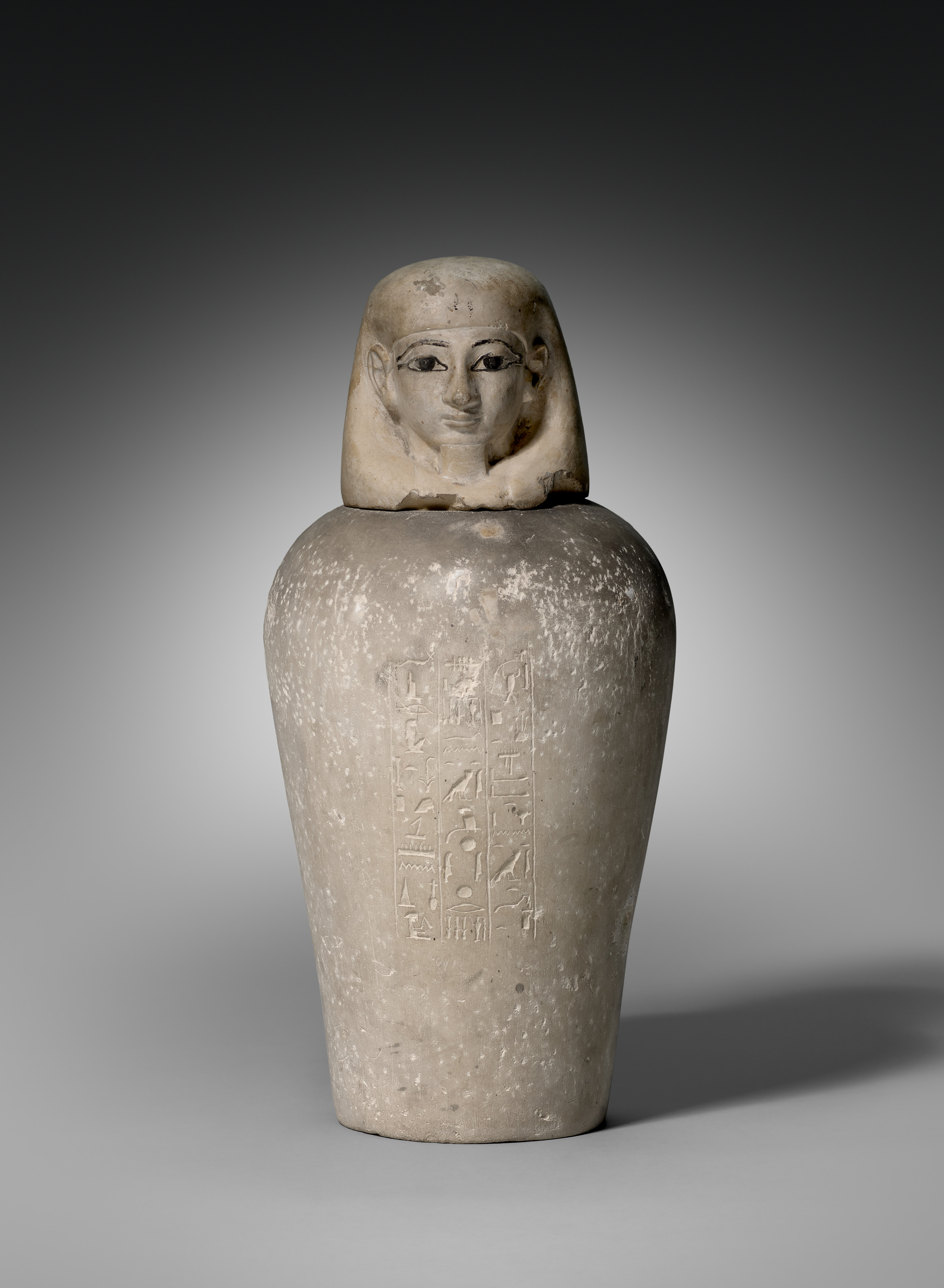
Canopic equipment belonged to the funerary system surrounding preservation of the dead. Vessels and containers were associated with the treatment and ritual protection of the internal organs.
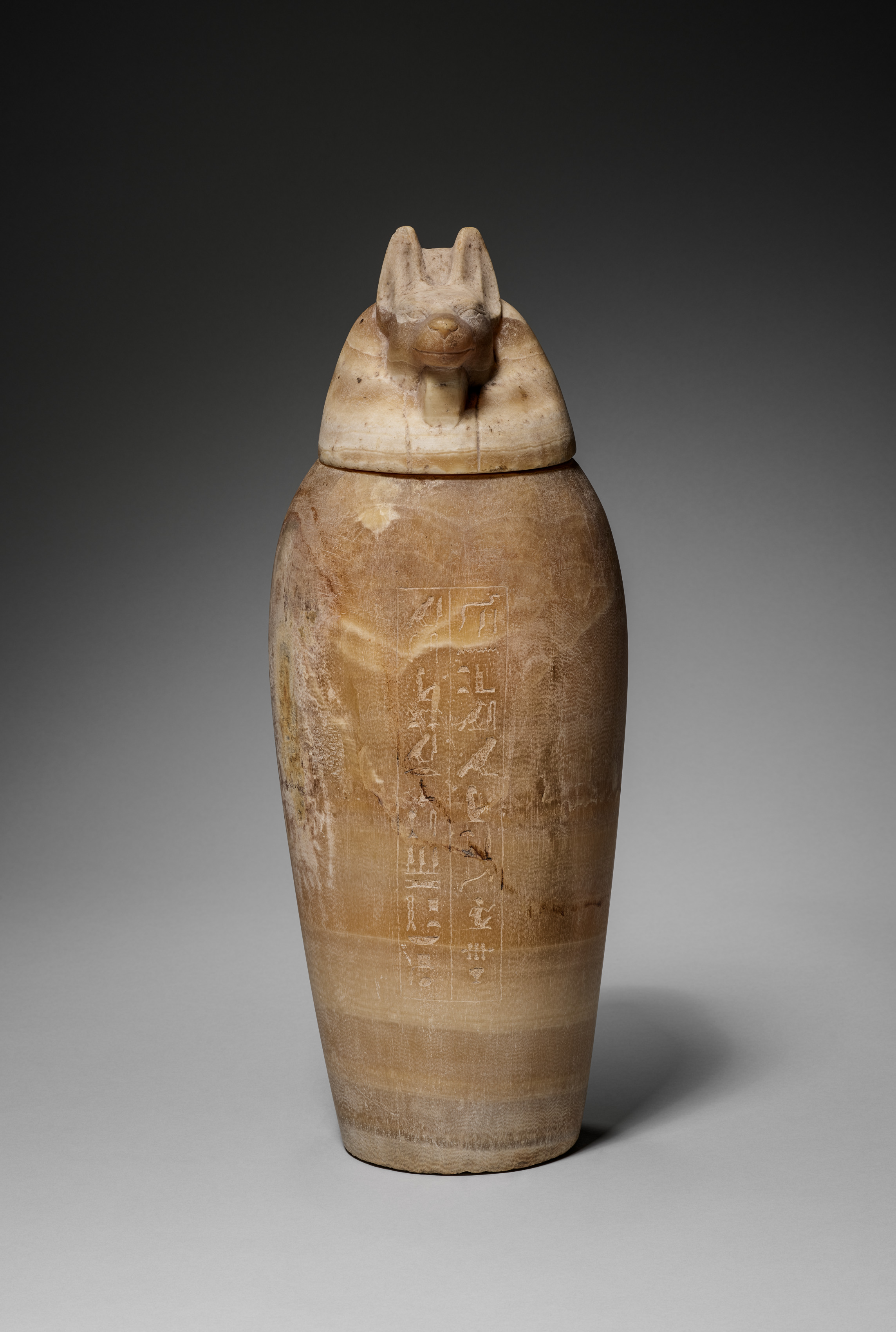
Canopic equipment belonged to the funerary system surrounding preservation of the dead. Vessels and containers were associated with the treatment and ritual protection of the internal organs.
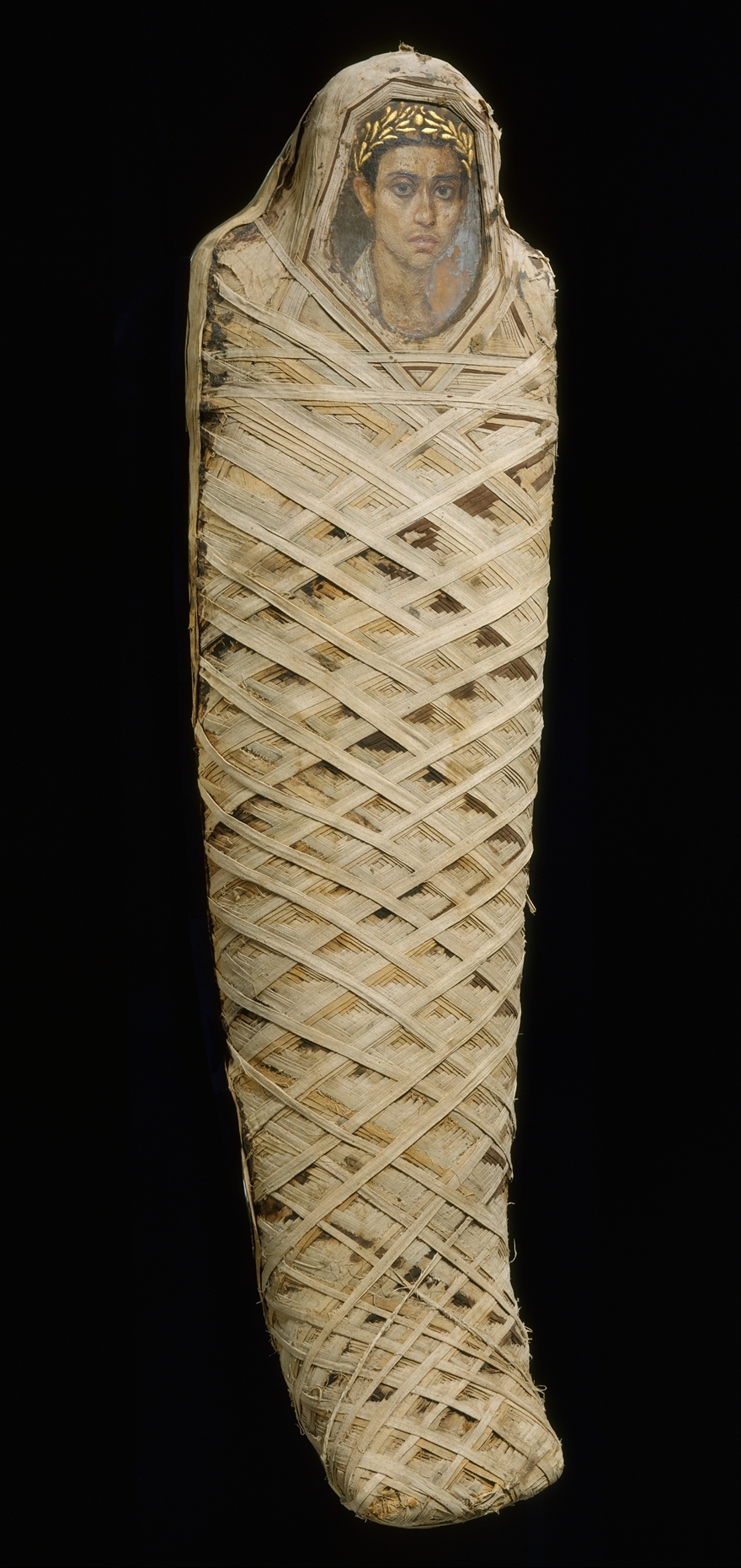
Mummy portraits preserved a recognizable human face within funerary practice, joining personal identity with the transformed body prepared for burial.
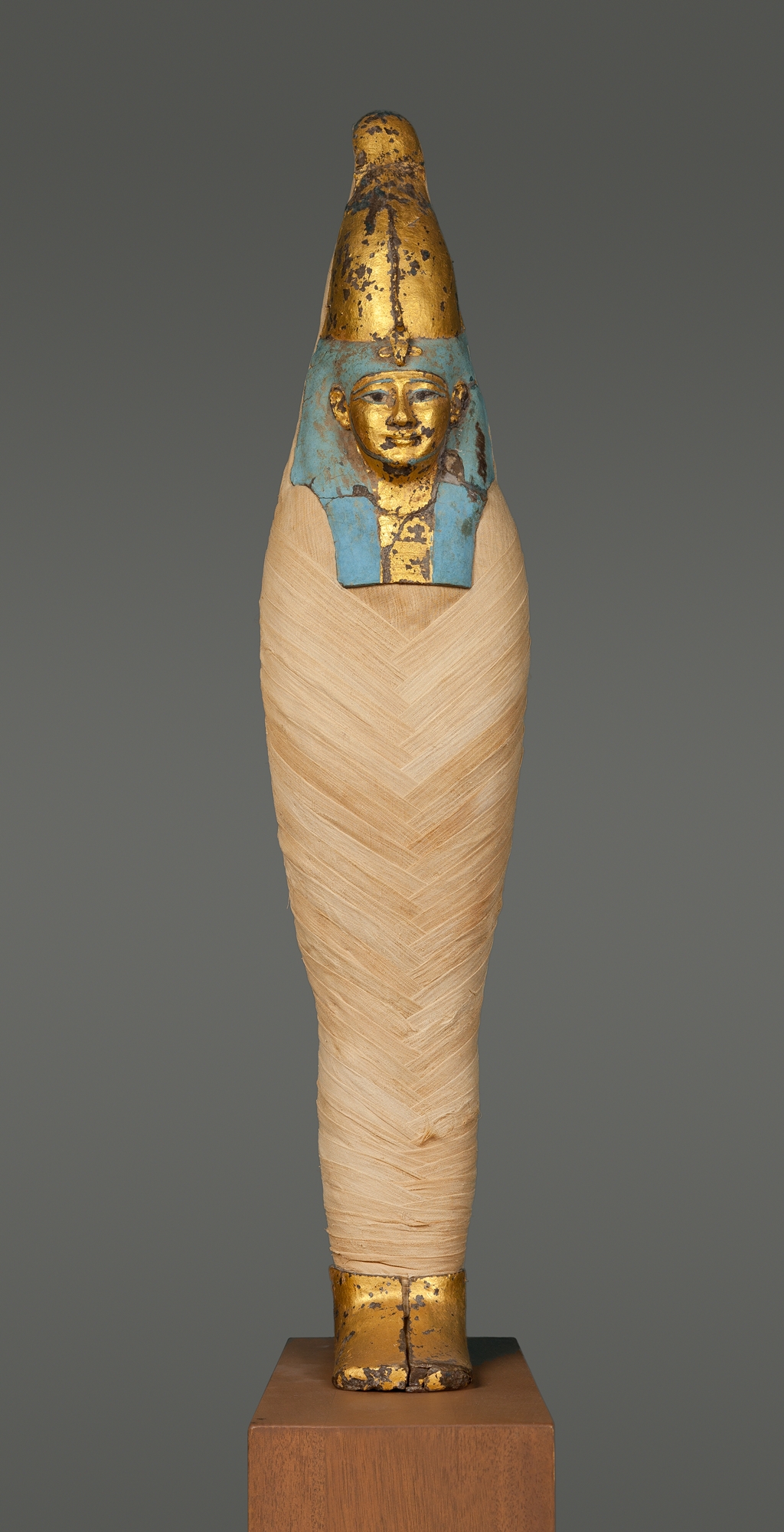
A funerary mask gave the deceased a protected, idealized face. It helped preserve identity while placing the dead within a sacred visual language of transformation.
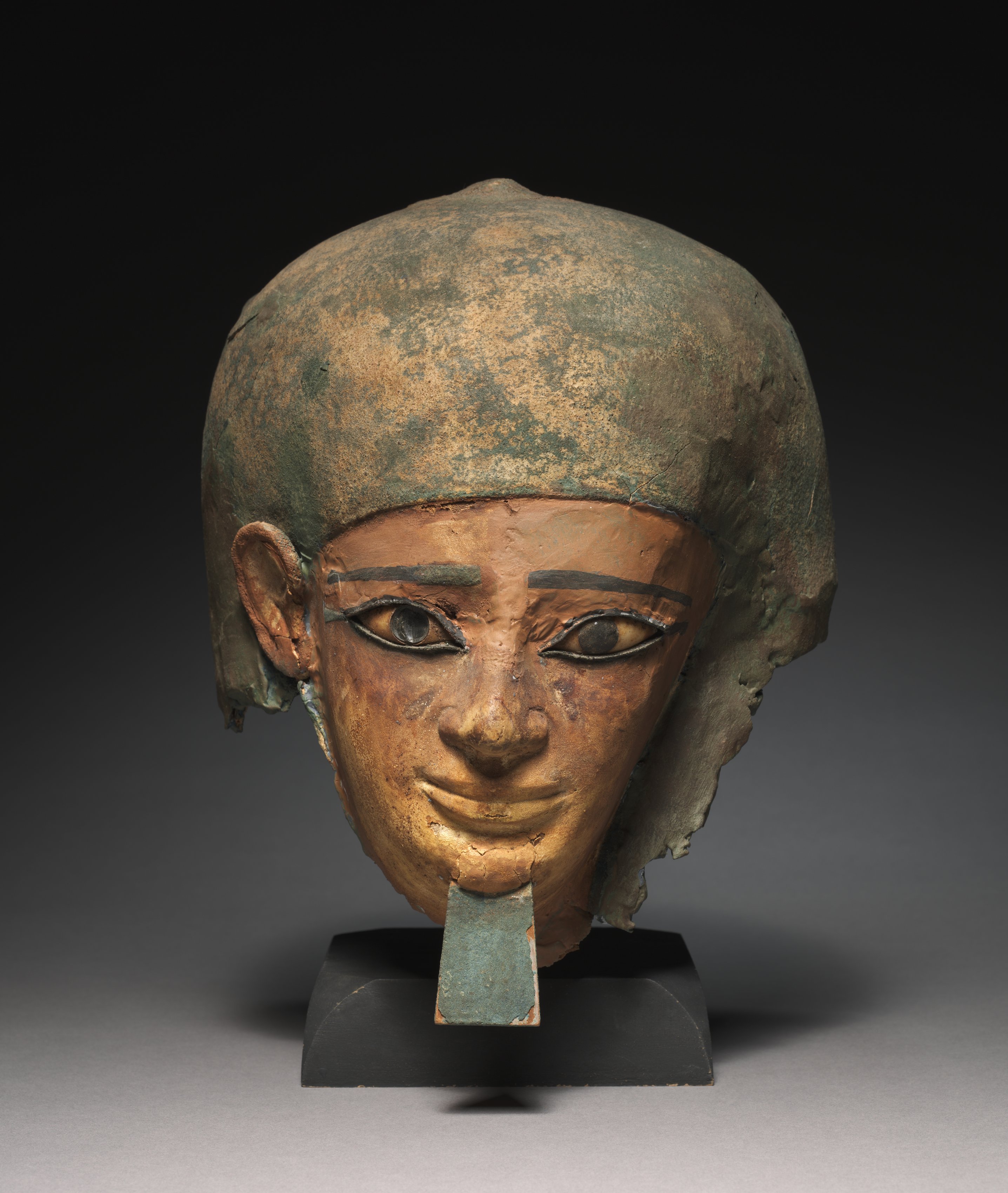
A funerary mask gave the deceased a protected, idealized face. It helped preserve identity while placing the dead within a sacred visual language of transformation.
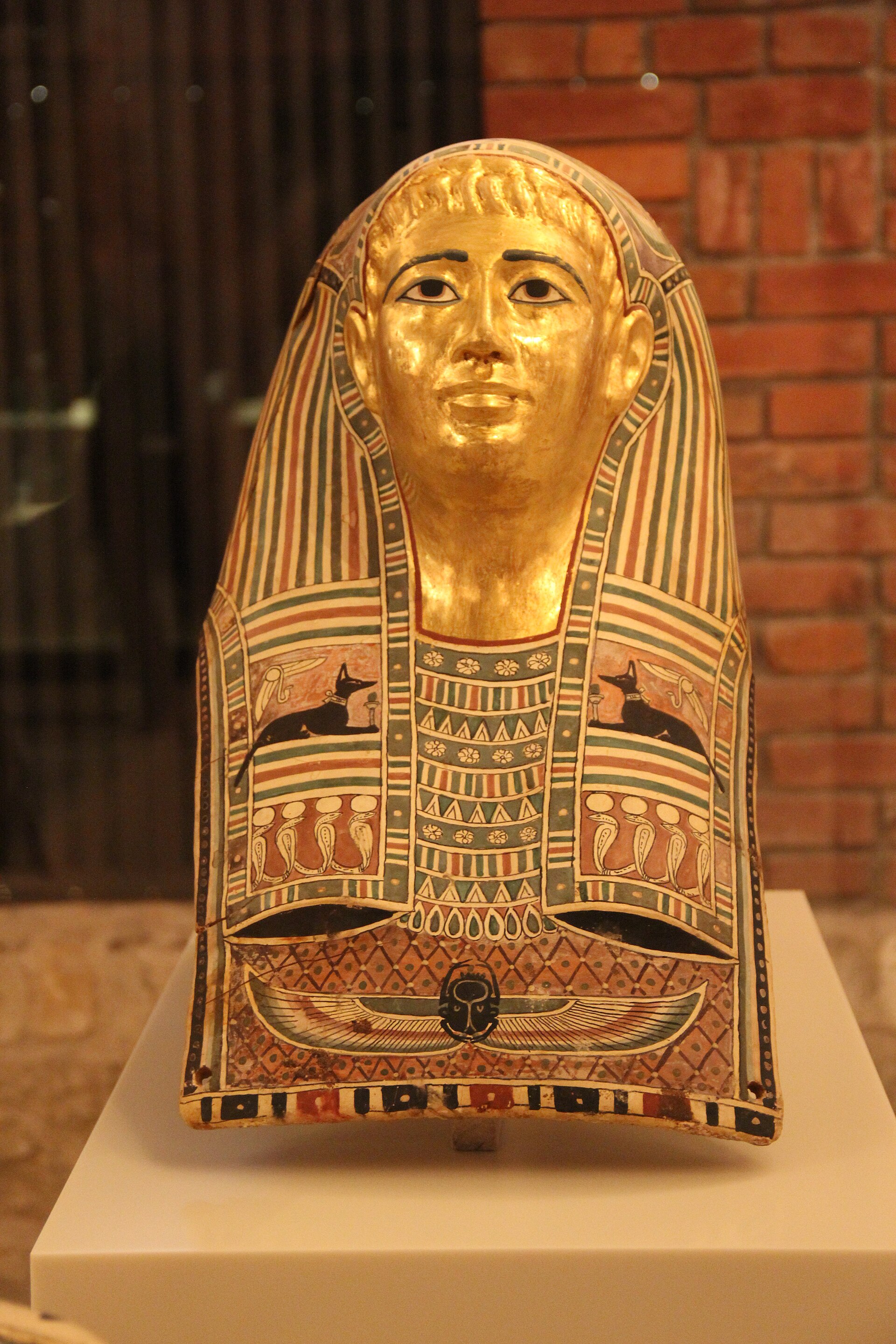
Mummy portraits preserved a recognizable human face within funerary practice, joining personal identity with the transformed body prepared for burial.
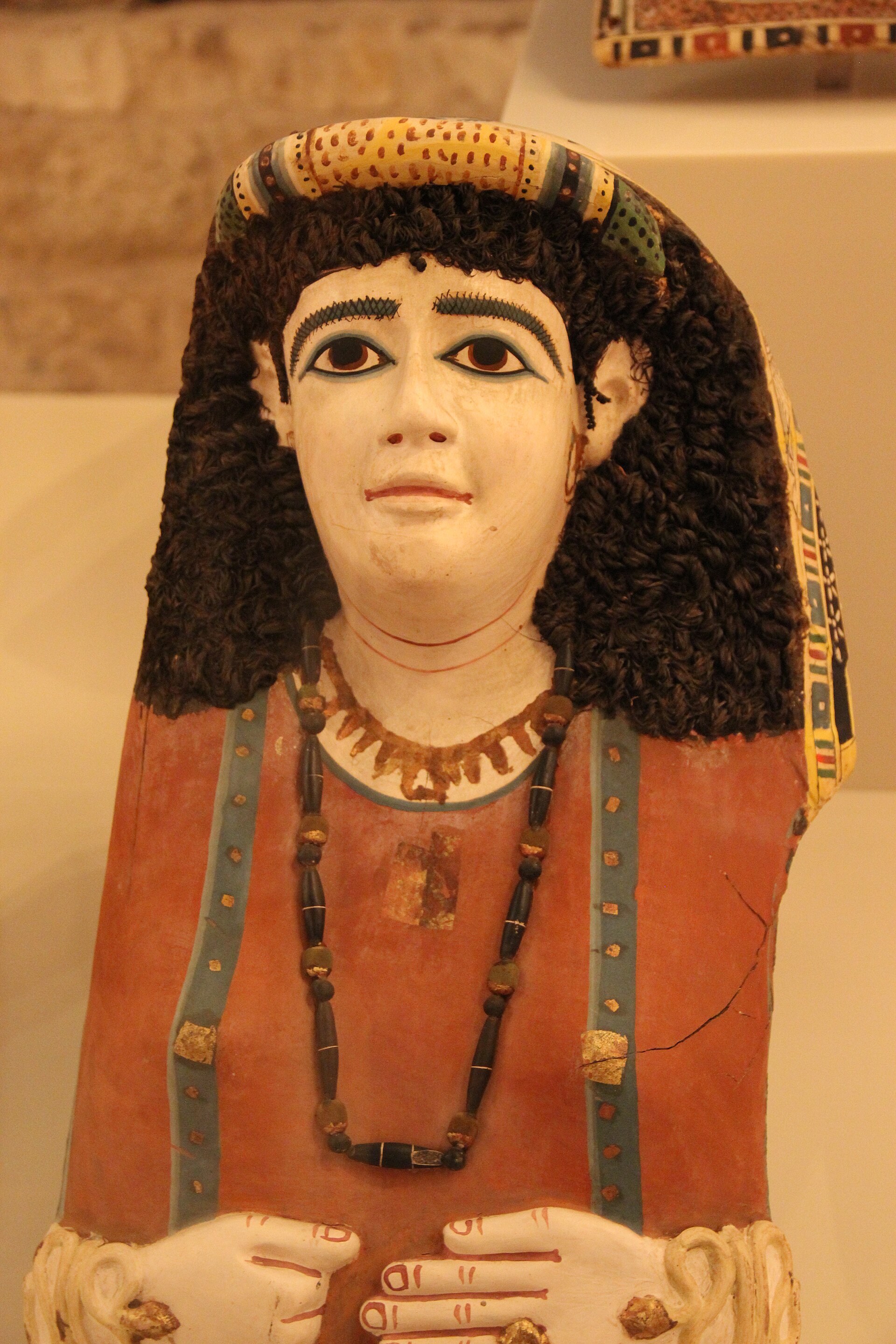
Mummy portraits preserved a recognizable human face within funerary practice, joining personal identity with the transformed body prepared for burial.
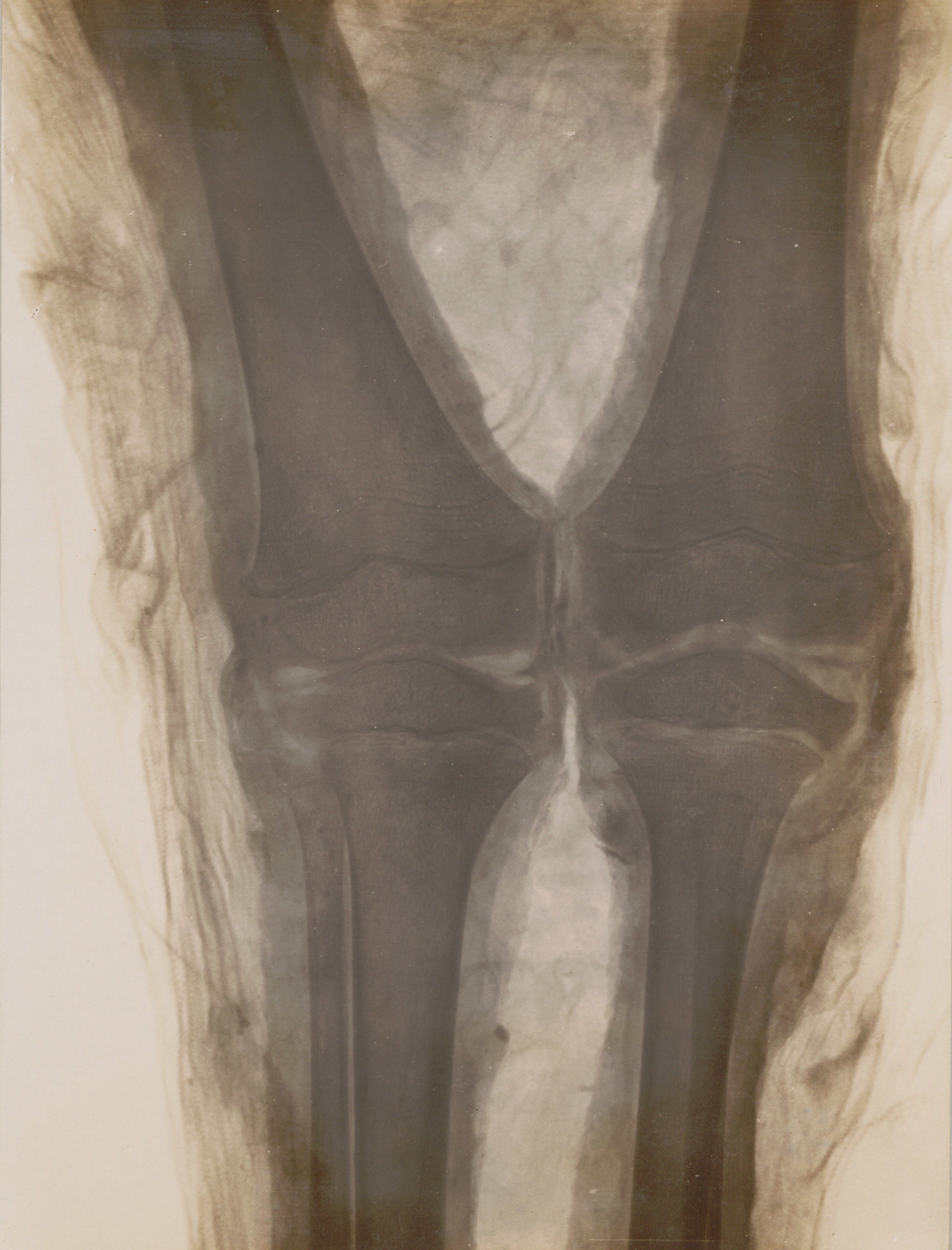
Radiography opened a new way to study mummies without physically unwrapping them. Imaging can reveal skeletal structures and materials hidden beneath layers of ancient linen.
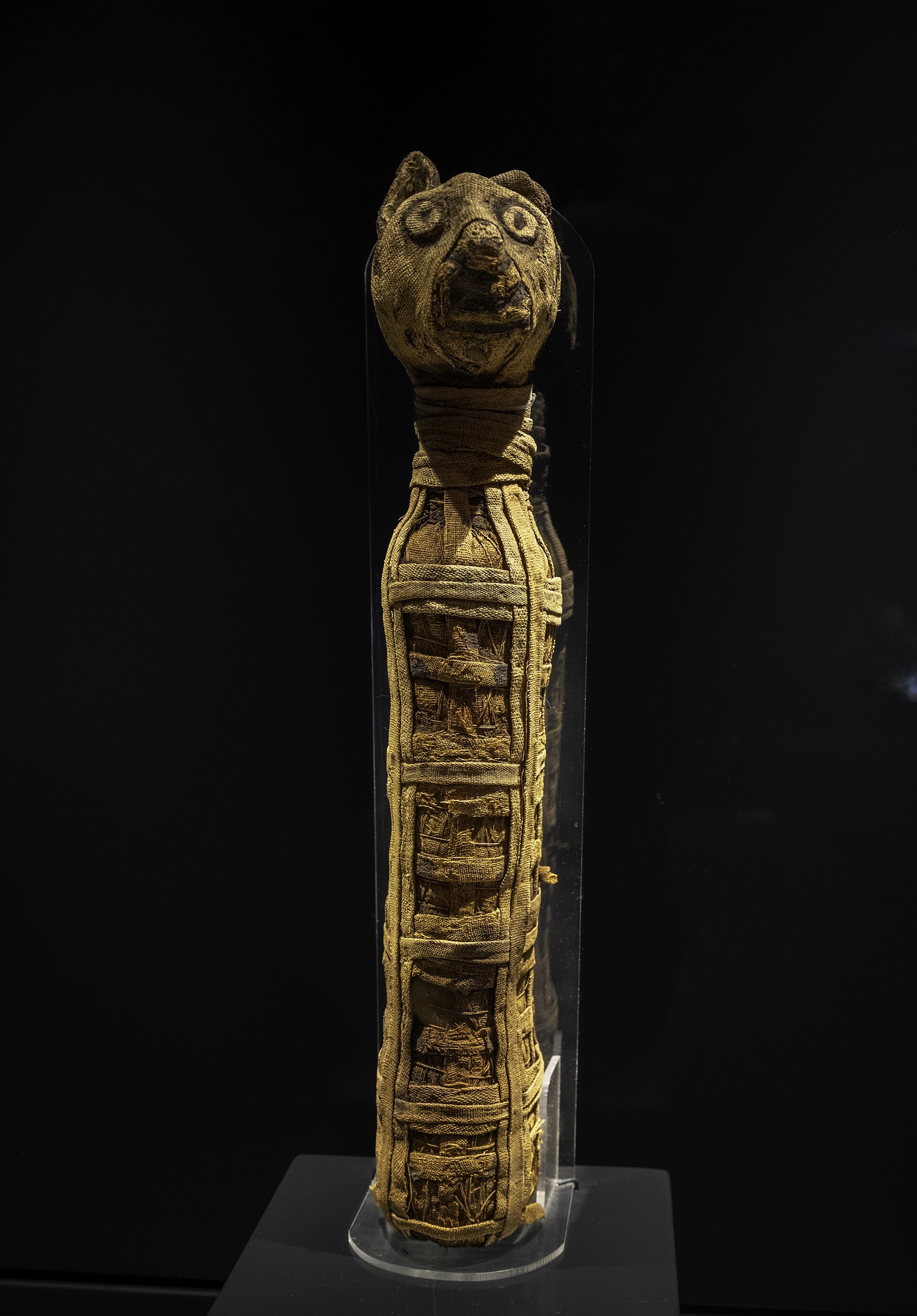
Animal mummification had several religious roles in Egypt. Animals could be sacred offerings and could carry symbolic connections to particular gods.
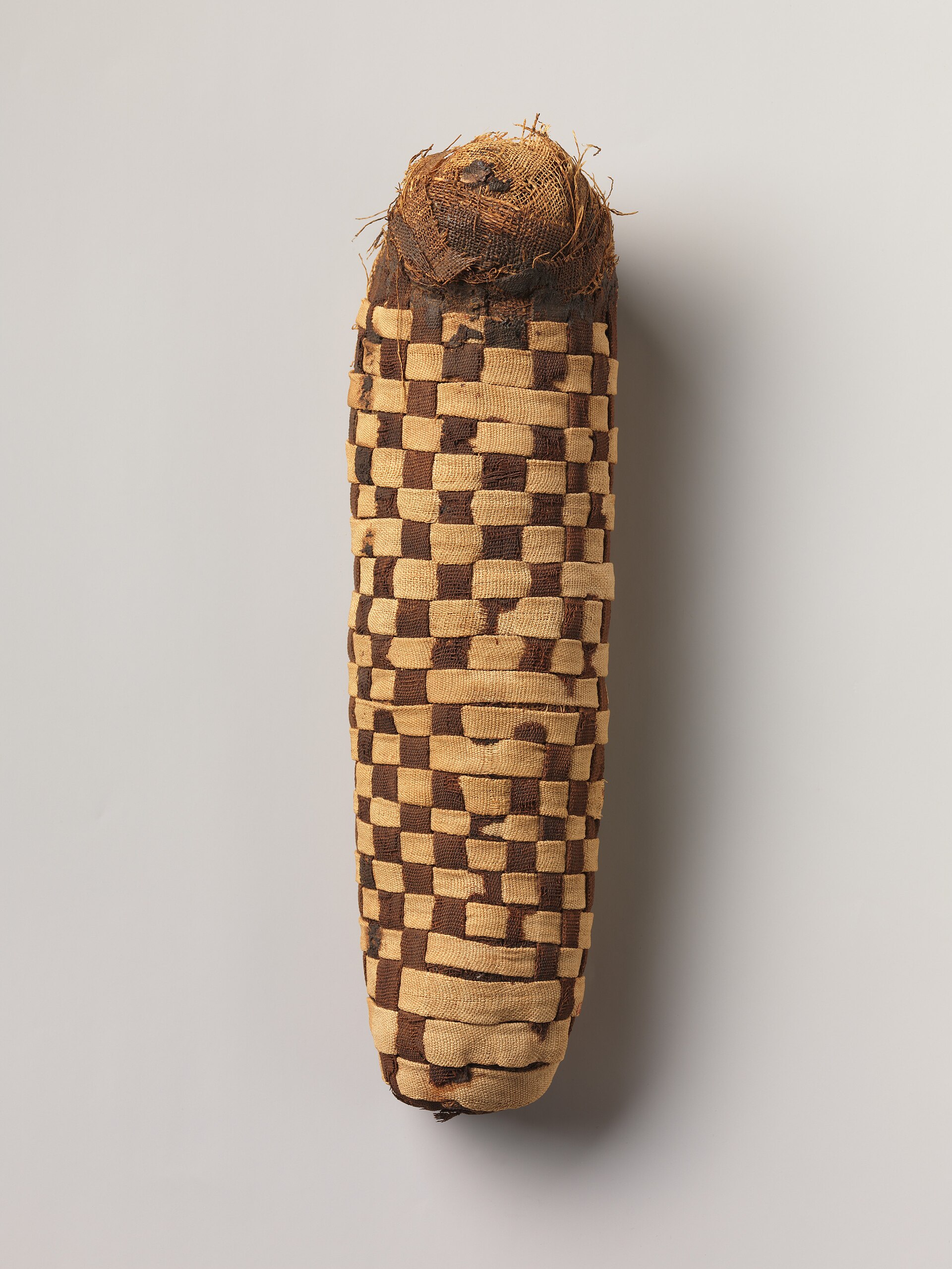
Animal mummification had several religious roles in Egypt. Animals could be sacred offerings and could carry symbolic connections to particular gods.
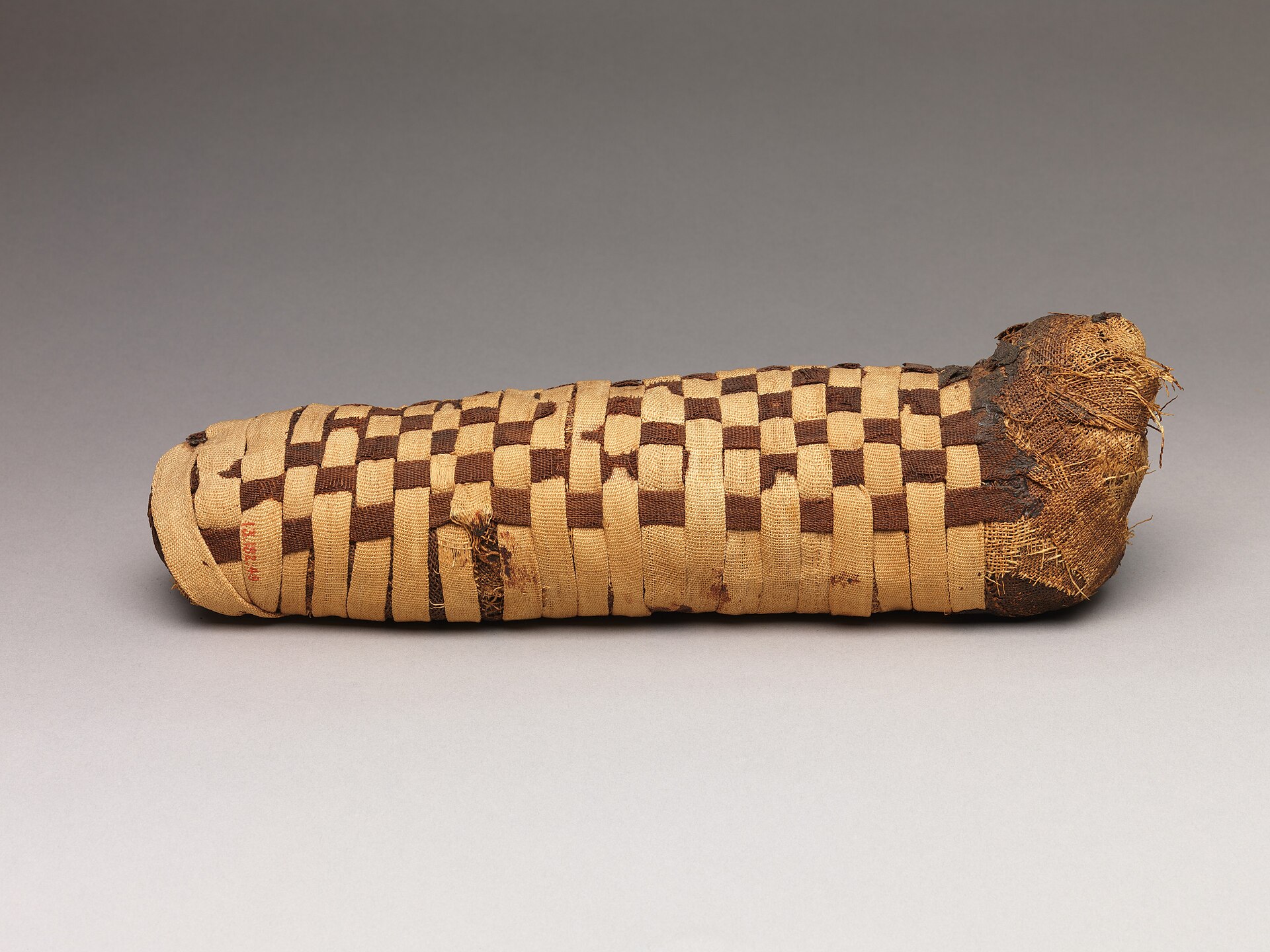
Animal mummification had several religious roles in Egypt. Animals could be sacred offerings and could carry symbolic connections to particular gods.
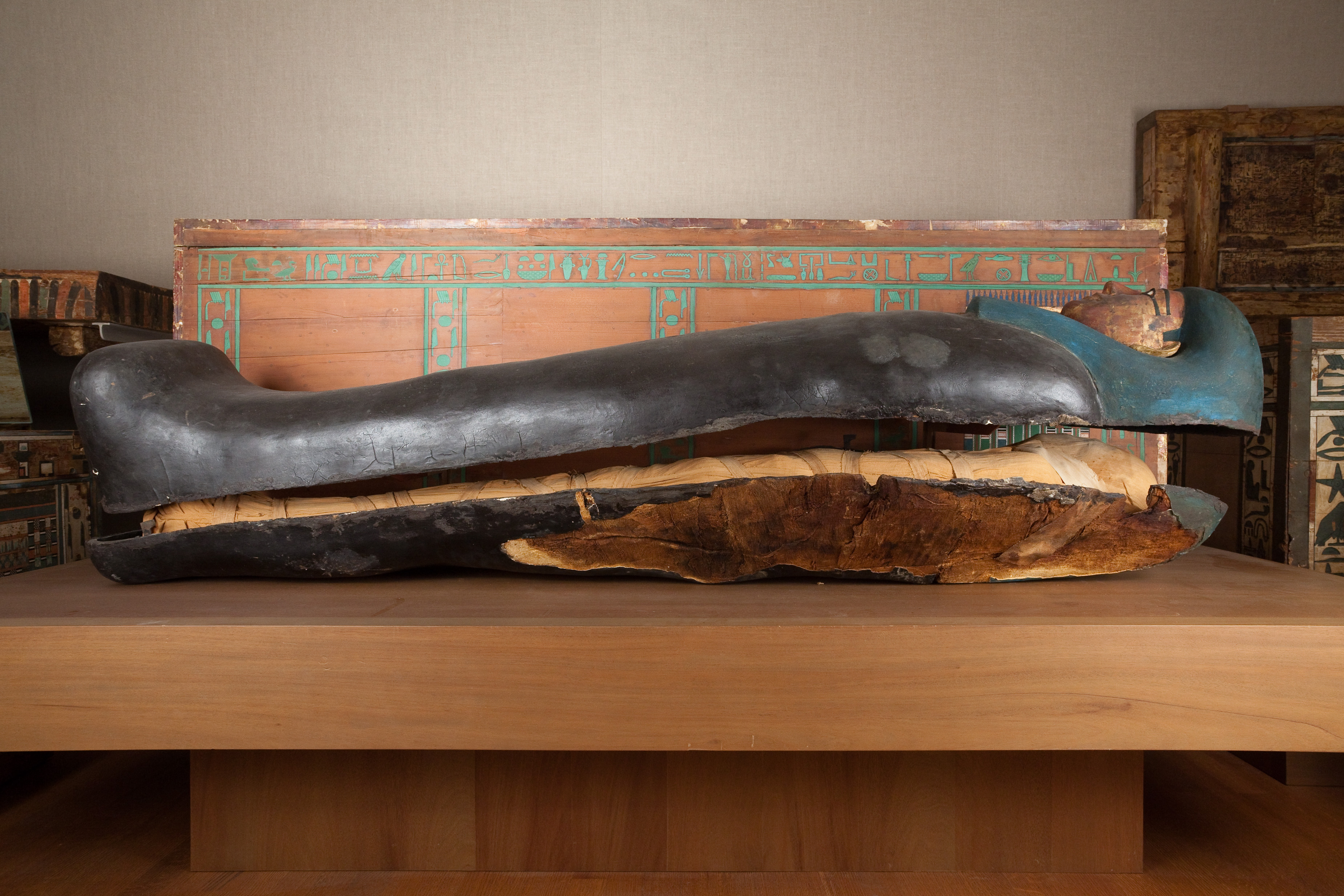
Painted coffins formed protective environments around the dead. Their texts, colors and divine figures connected an individual burial with Egyptian ideas of protection and rebirth.
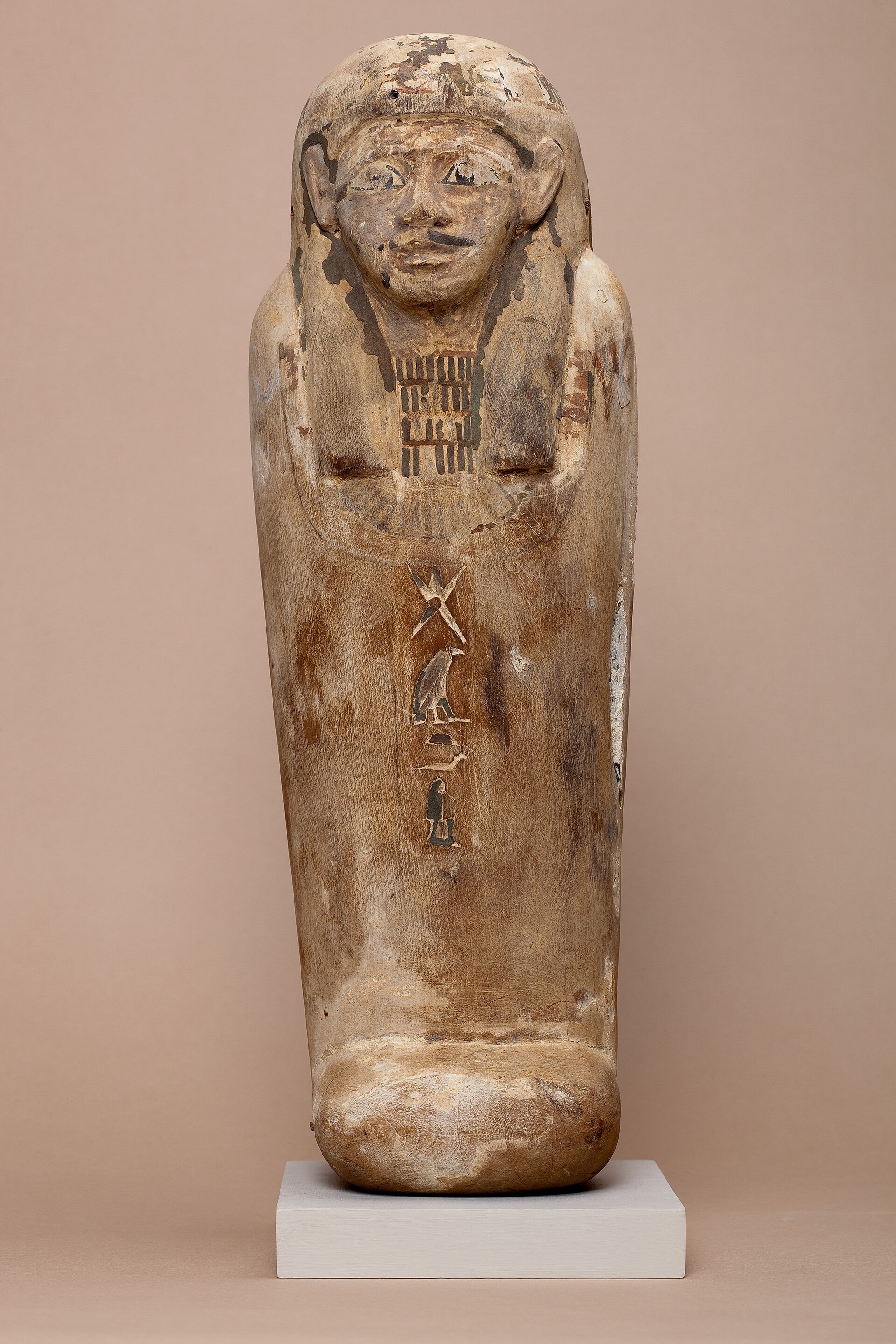
Canopic equipment belonged to the funerary system surrounding preservation of the dead. Vessels and containers were associated with the treatment and ritual protection of the internal organs.
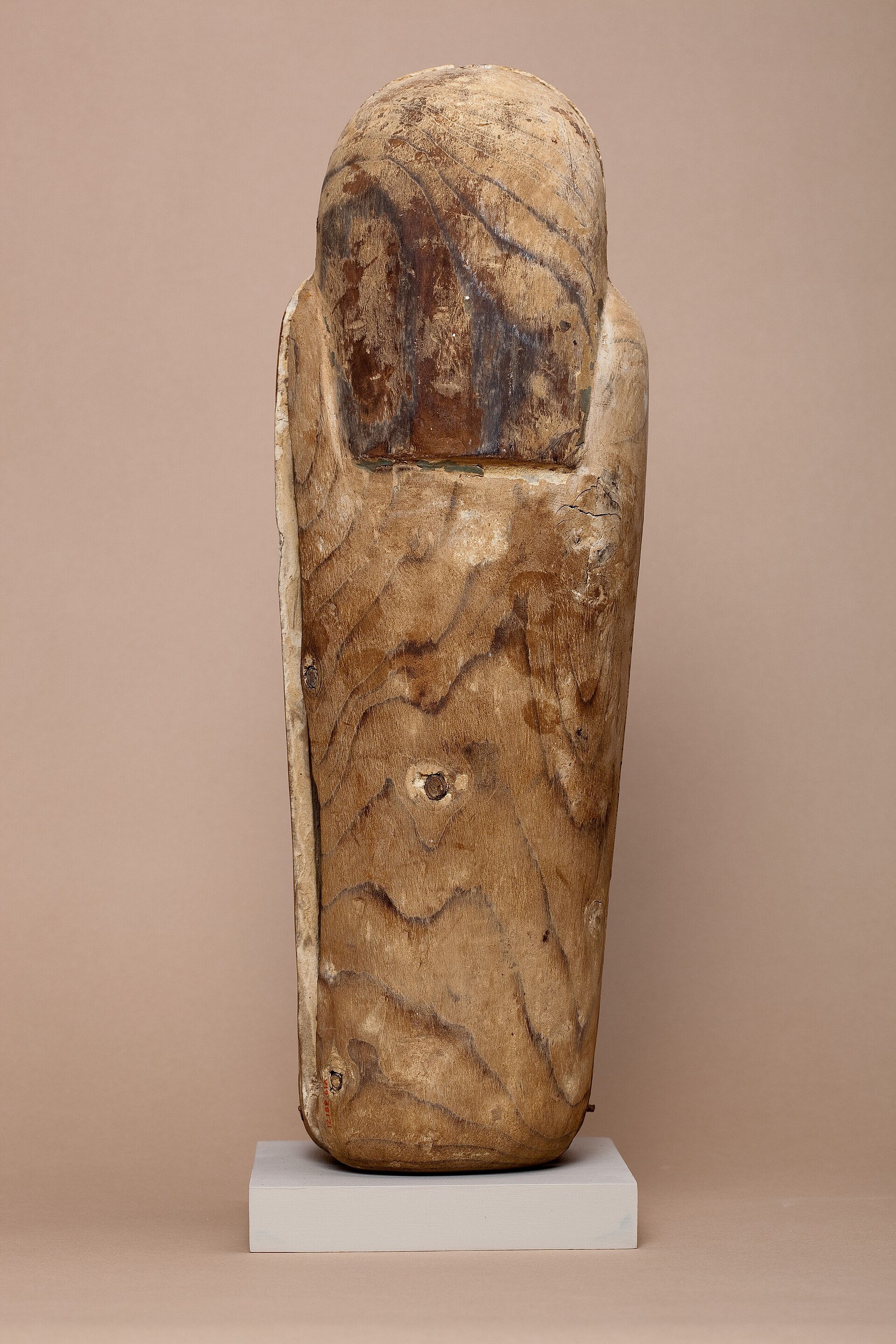
Canopic equipment belonged to the funerary system surrounding preservation of the dead. Vessels and containers were associated with the treatment and ritual protection of the internal organs.
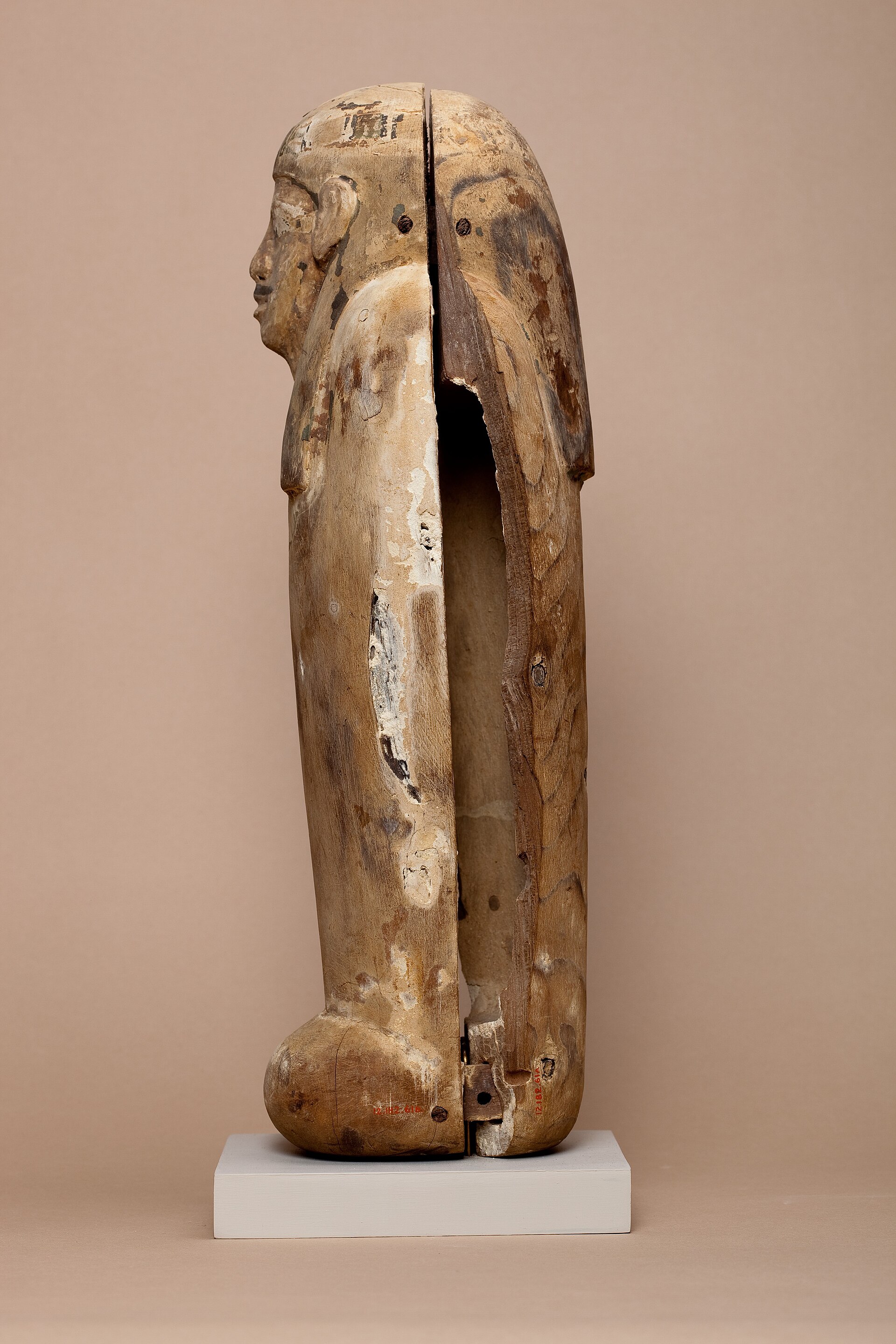
Canopic equipment belonged to the funerary system surrounding preservation of the dead. Vessels and containers were associated with the treatment and ritual protection of the internal organs.
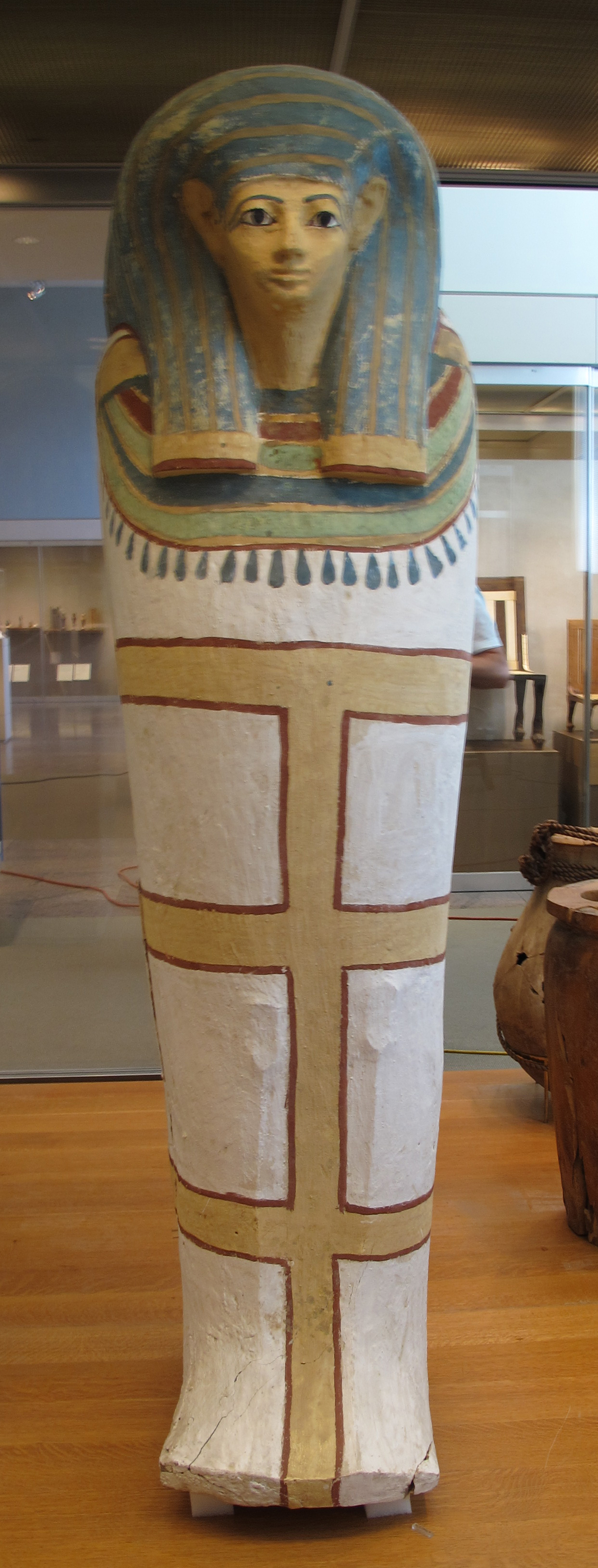
Egyptian coffins were more than containers. They formed protective sacred environments whose imagery and inscriptions helped guide and transform the deceased.
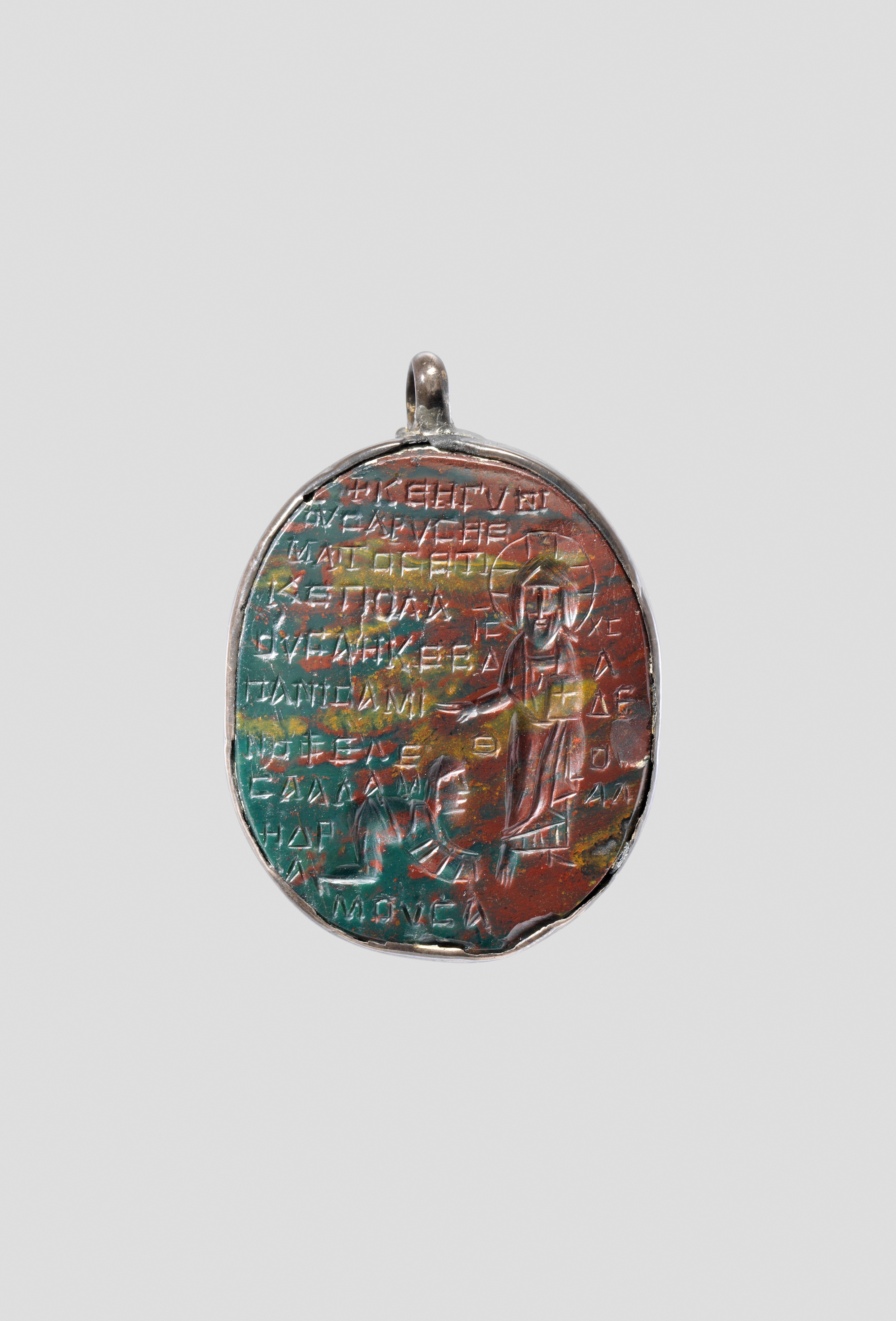
Amulets were worn or placed with the dead as concentrated forms of symbolic protection. Their material, color and shape could connect them with particular gods or sacred powers.
Shabtis were small funerary figures placed with the dead. They were intended to perform required labor on behalf of the deceased in the afterlife.
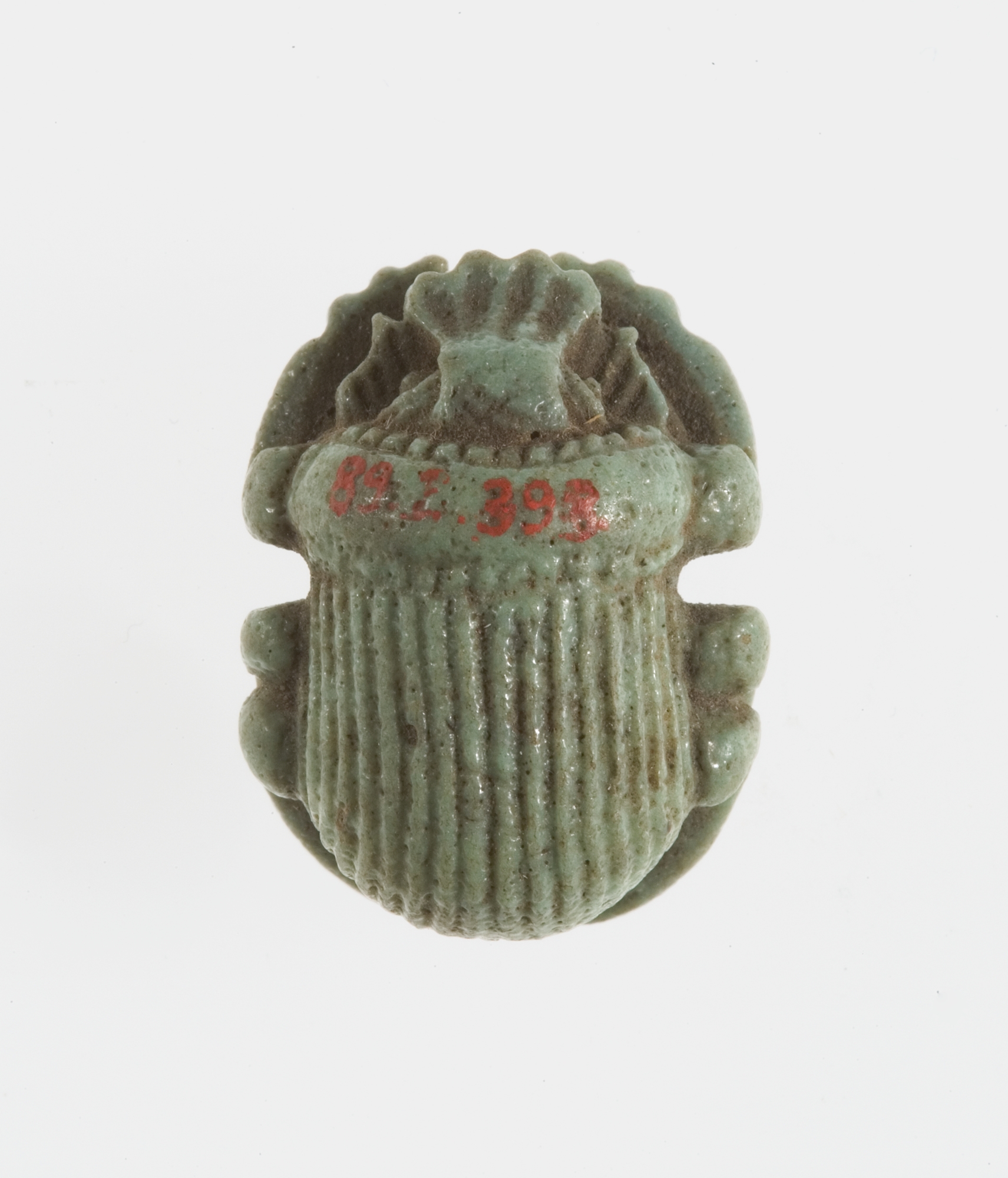
Heart scarabs were funerary amulets associated with judgment after death. Many were inscribed with a form of Book of the Dead Spell 30, asking the heart not to testify against its owner before Osiris.
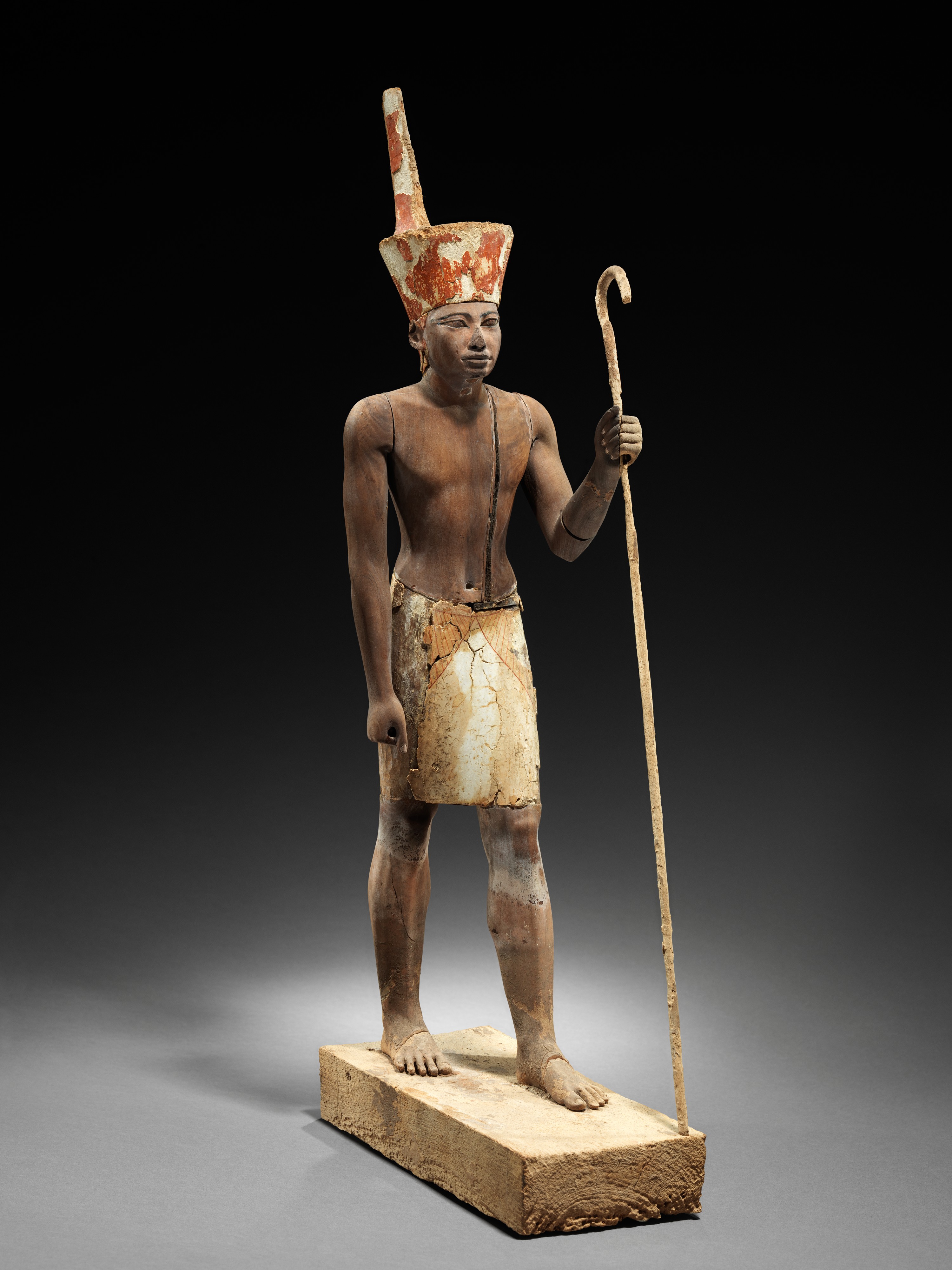
Funerary equipment addressed practical and sacred needs believed to continue after death. Amulets, shabtis, models and other objects offered service, protection and symbolic power.
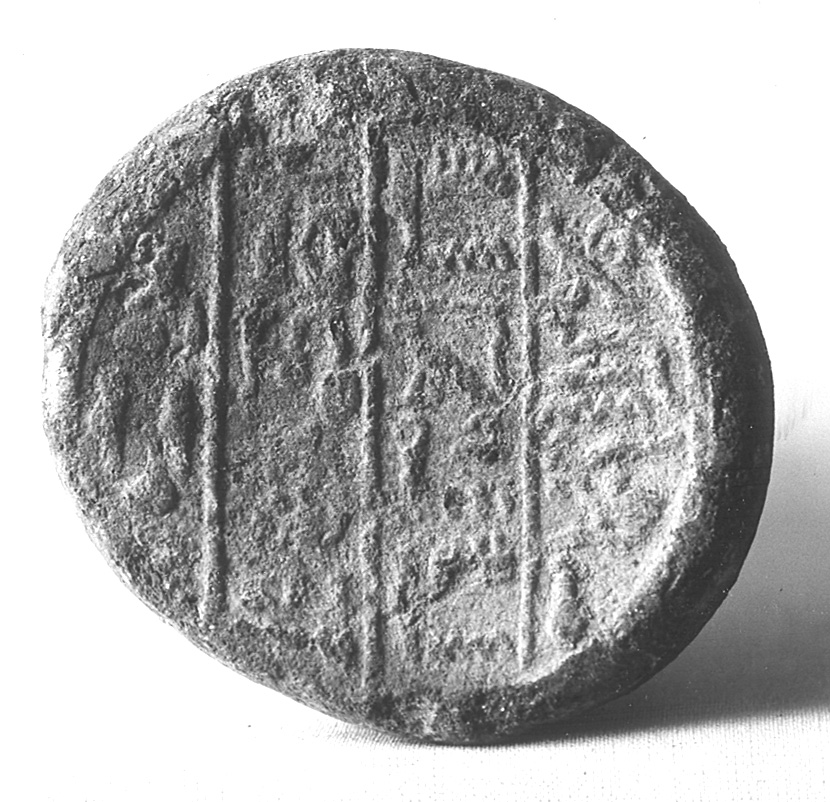
Funerary equipment addressed practical and sacred needs believed to continue after death. Amulets, shabtis, models and other objects offered service, protection and symbolic power.
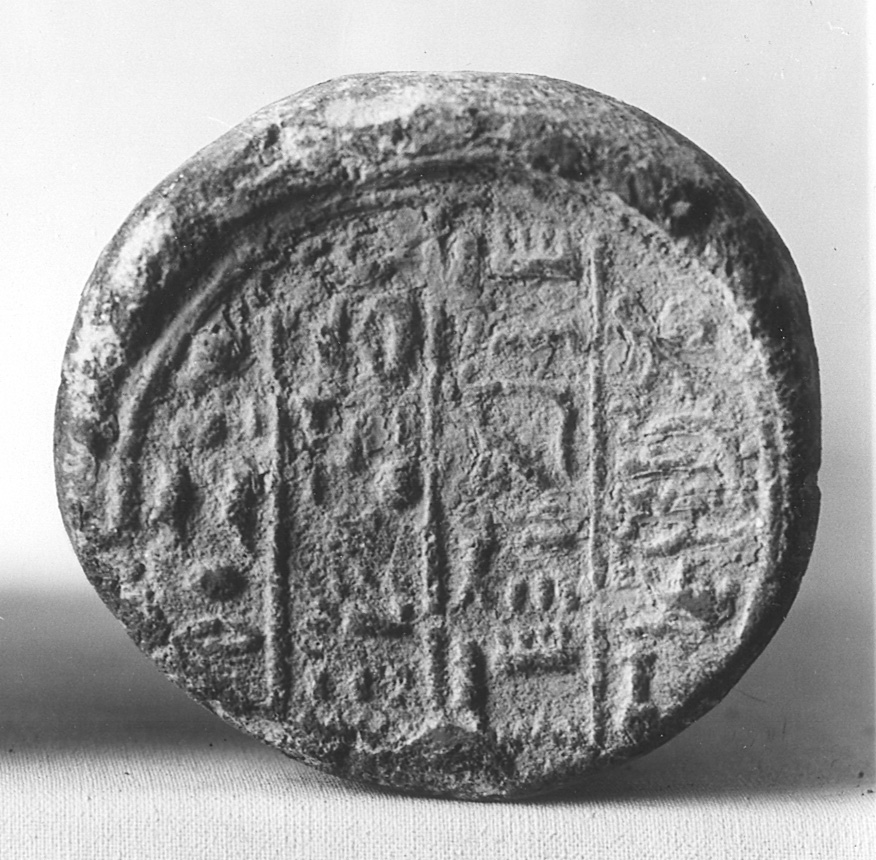
Funerary equipment addressed practical and sacred needs believed to continue after death. Amulets, shabtis, models and other objects offered service, protection and symbolic power.
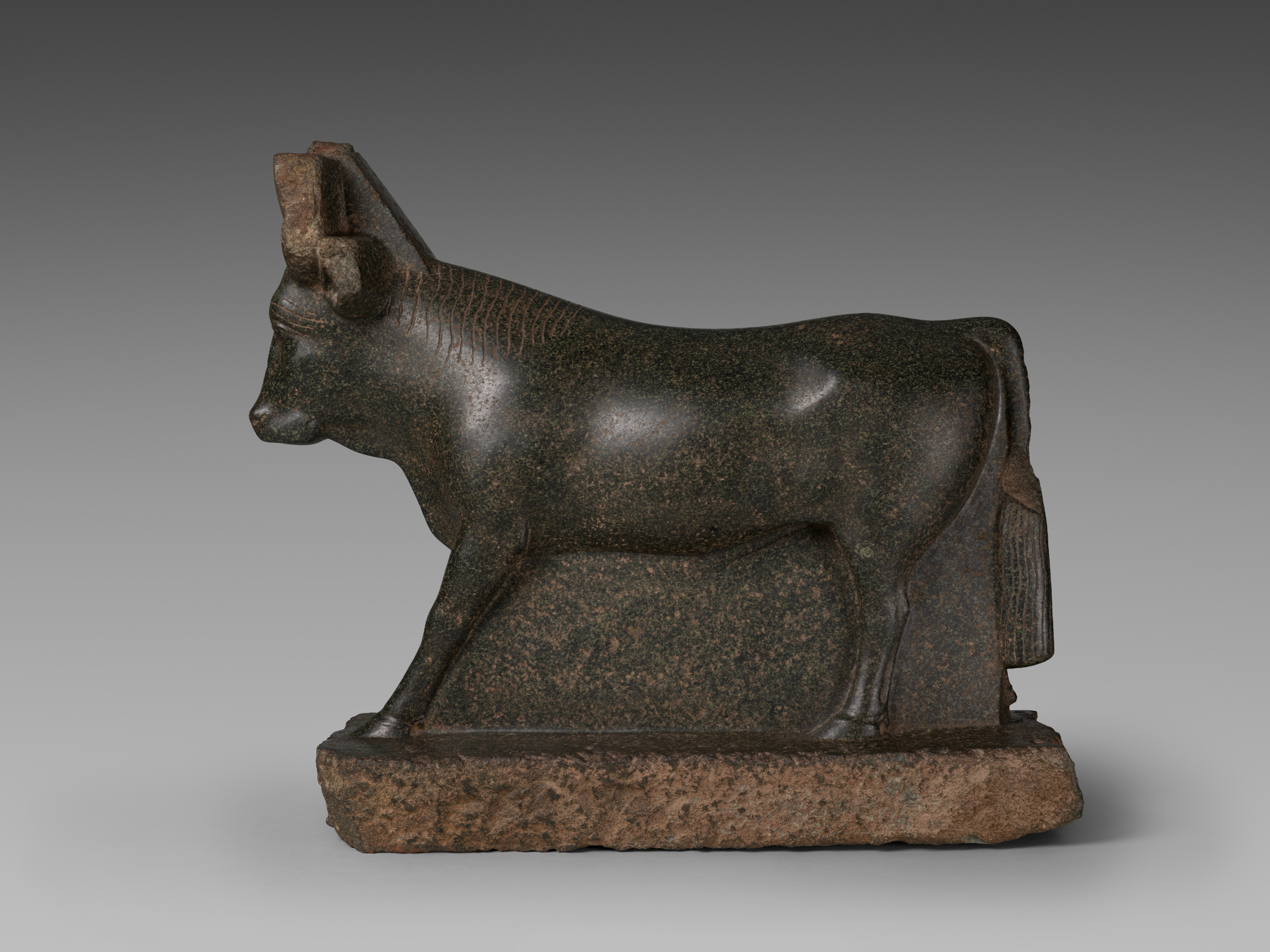
Egyptian divine figures embodied different powers within the cosmos. In funerary settings their images could invoke protection, healing, judgment, resurrection and cosmic order.
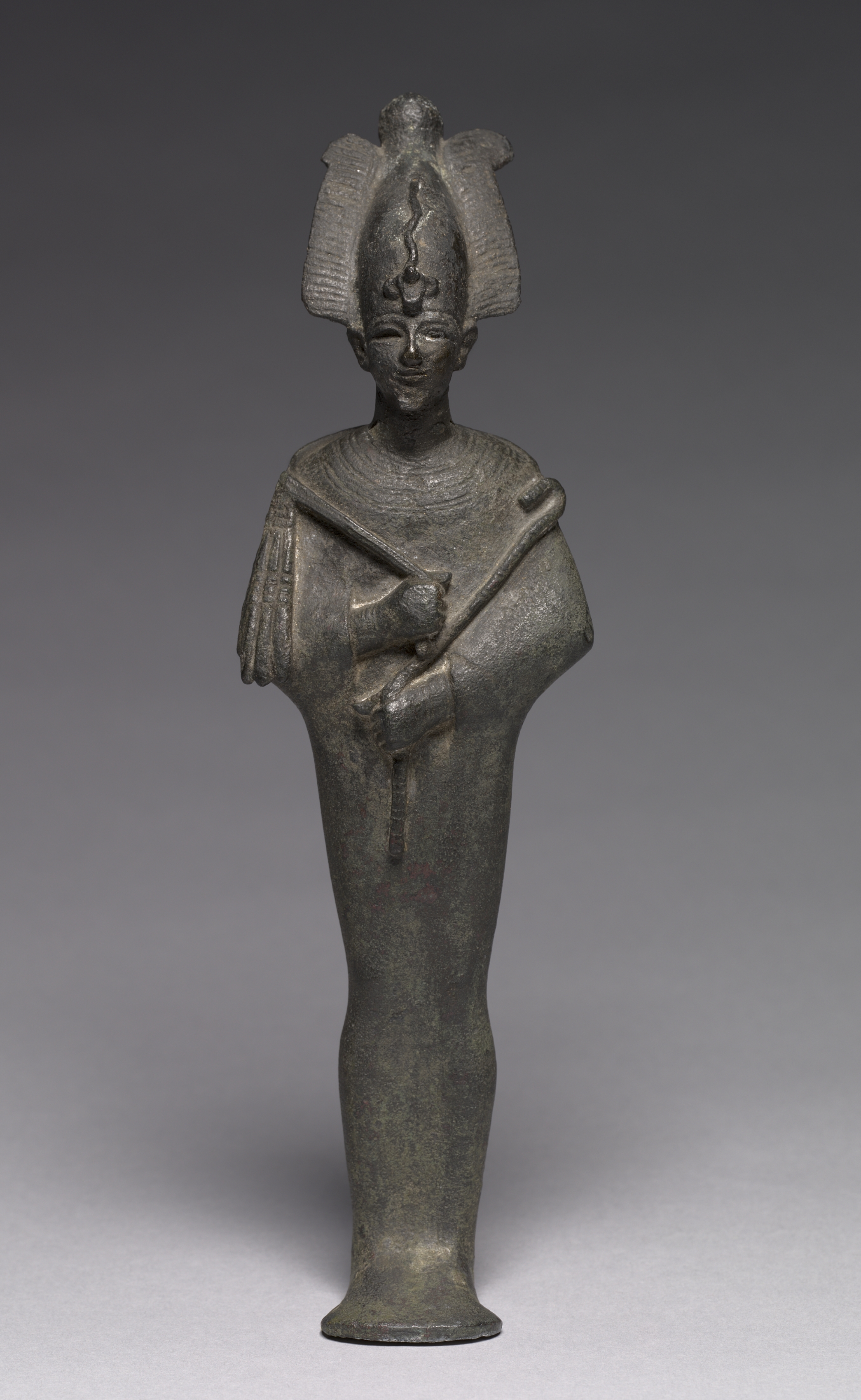
Egyptian divine figures embodied different powers within the cosmos. In funerary settings their images could invoke protection, healing, judgment, resurrection and cosmic order.
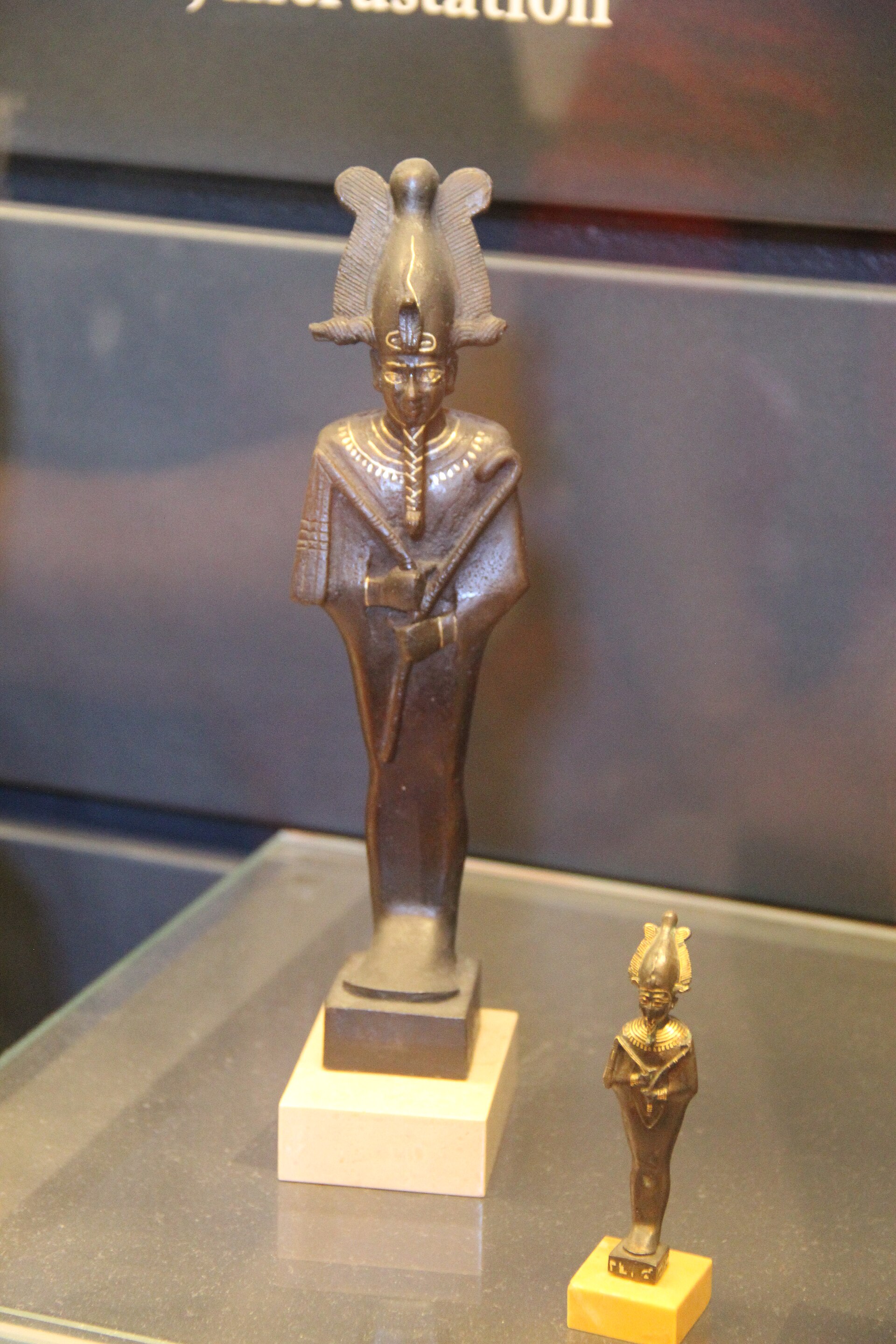
Egyptian divine figures embodied different powers within the cosmos. In funerary settings their images could invoke protection, healing, judgment, resurrection and cosmic order.
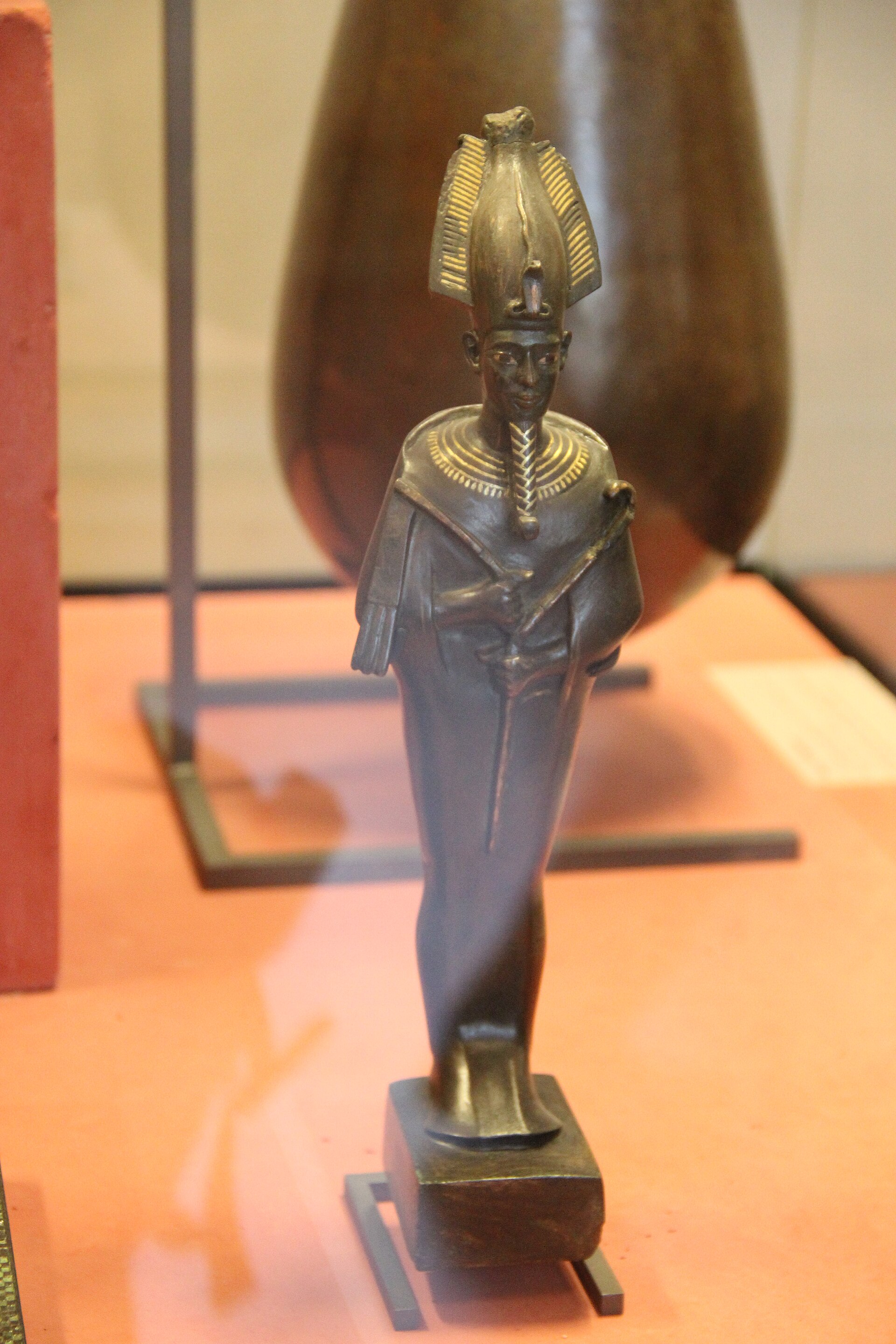
Egyptian divine figures embodied different powers within the cosmos. In funerary settings their images could invoke protection, healing, judgment, resurrection and cosmic order.
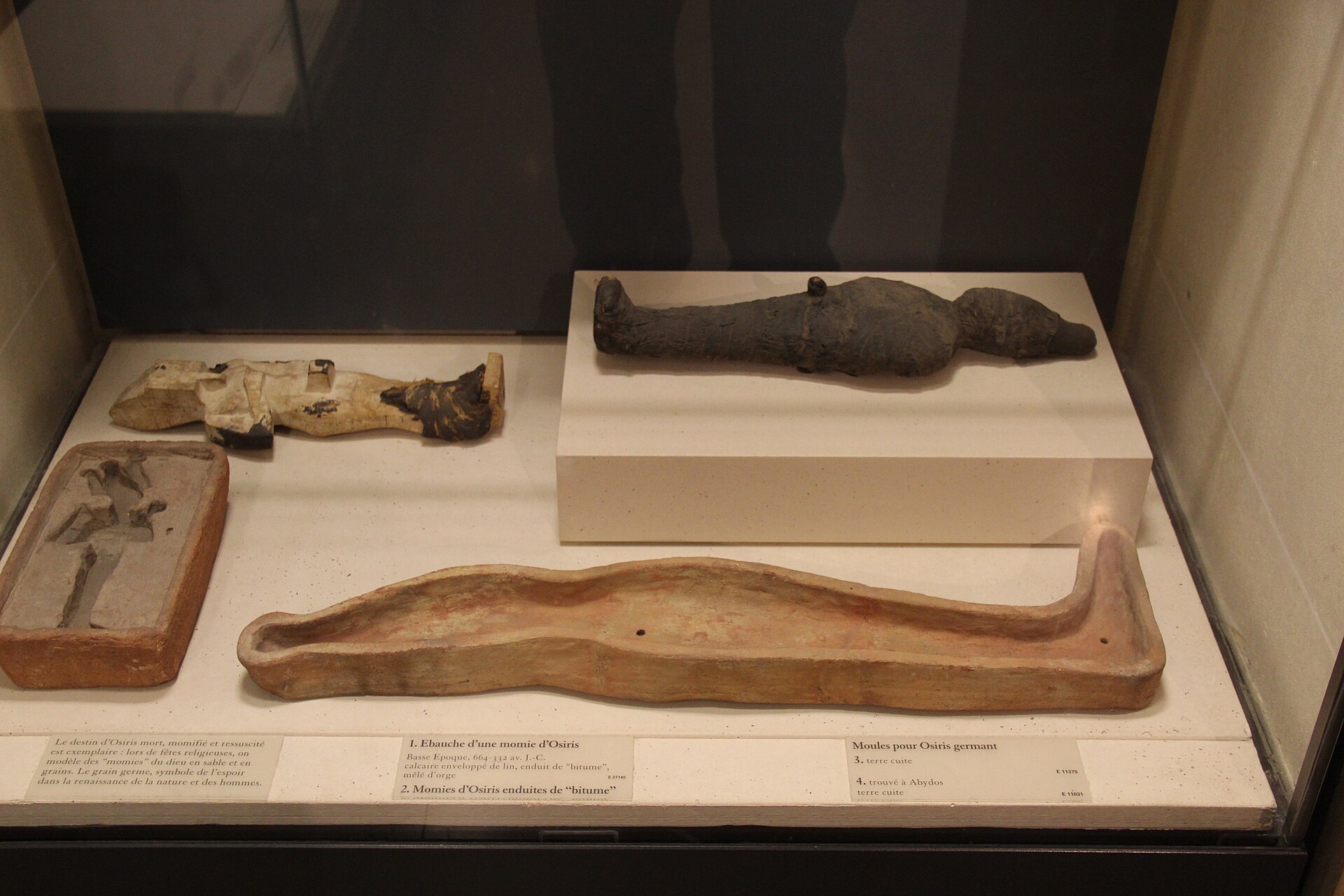
Egyptian divine figures embodied different powers within the cosmos. In funerary settings their images could invoke protection, healing, judgment, resurrection and cosmic order.
Egyptians connected the scarab beetle with Khepri, the rising form of the sun. The beetle became a visual language for emergence, renewal and transformation.
The heart was understood as a center of identity, memory and moral character. Heart scarabs could carry funerary spells asking the heart not to testify against its owner during judgment before Osiris.
Winged scarabs were made with holes so they could be sewn to mummy wrappings or bead nets across the chest. Their imagery joined solar renewal directly to the transformed body of the dead.
Some scarabs were records rather than simple amulets. One shown here preserves a royal account of Amenhotep III's hunt in which 96 bulls were killed, presenting the king as order overcoming chaos.
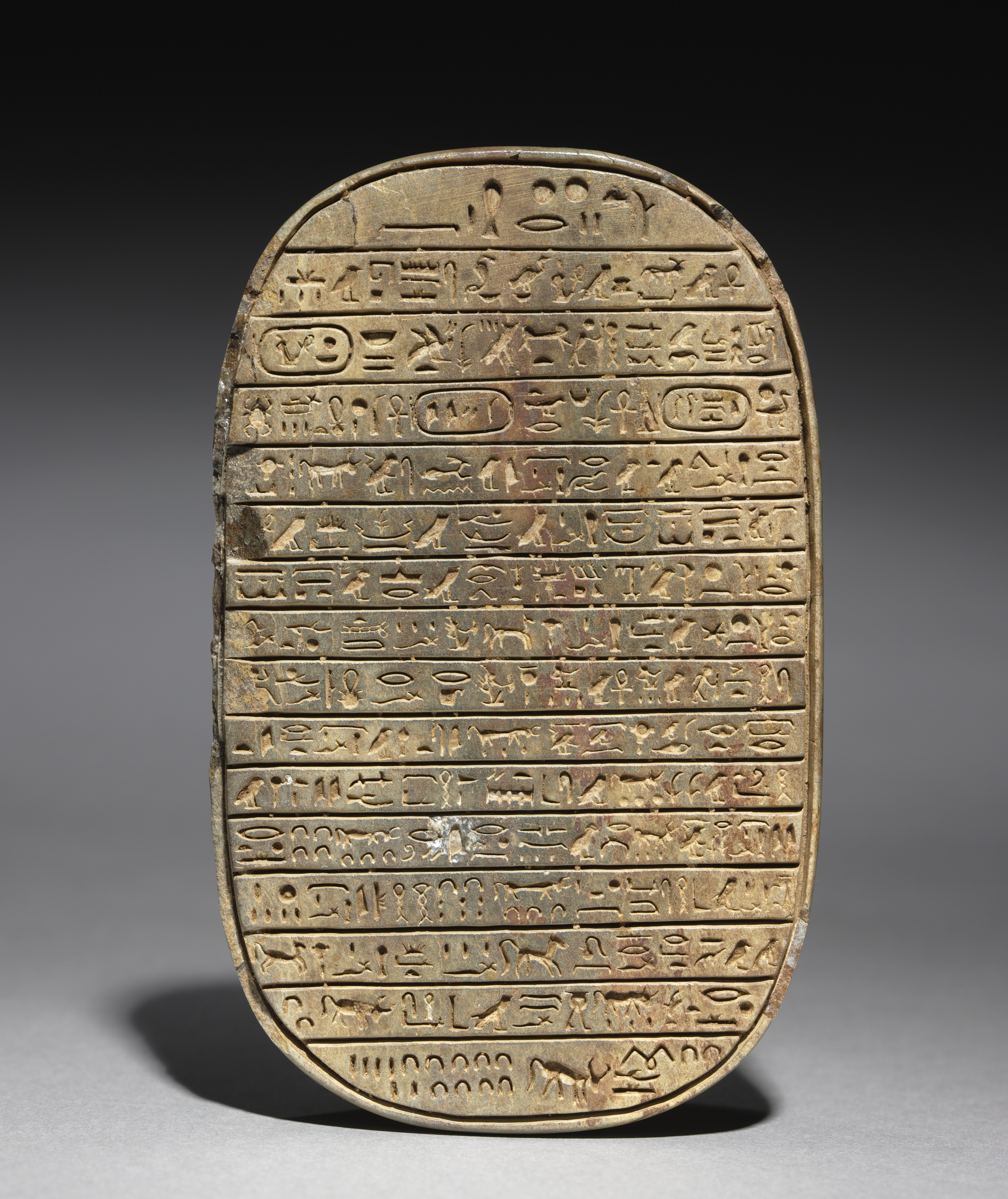
A large commemorative scarab of Amenhotep III. Its inscription records a royal bull hunt in the king's second regnal year in which 96 bulls were killed. The hunt presented the king as a force of royal order overcoming the dangerous powers of nature and chaos.
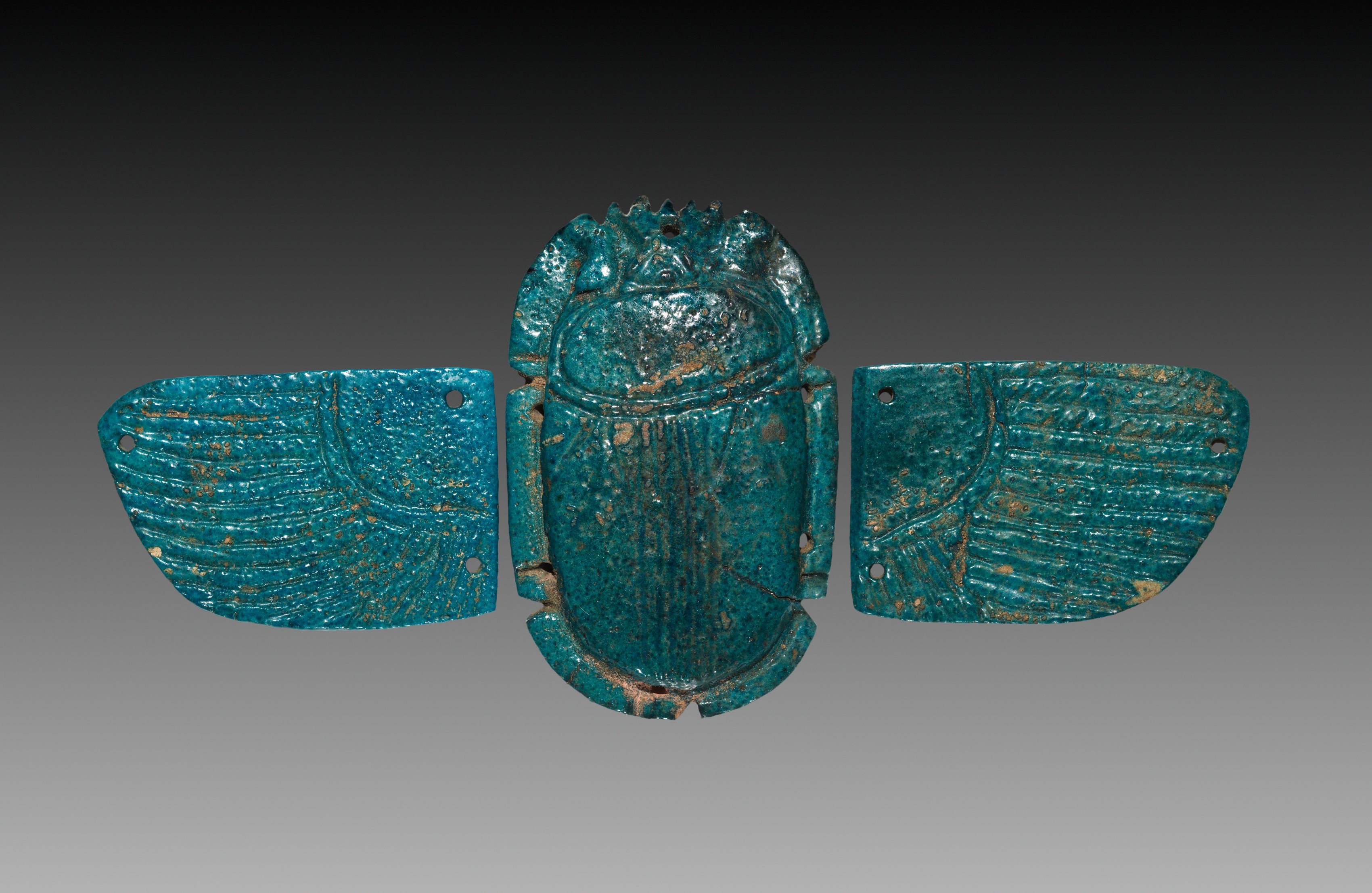
A deep turquoise faience winged scarab. Winged scarabs represented rebirth and the solar god Khepri. Similar examples were pierced so they could be attached to mummy wrappings or bead nets over the chest.
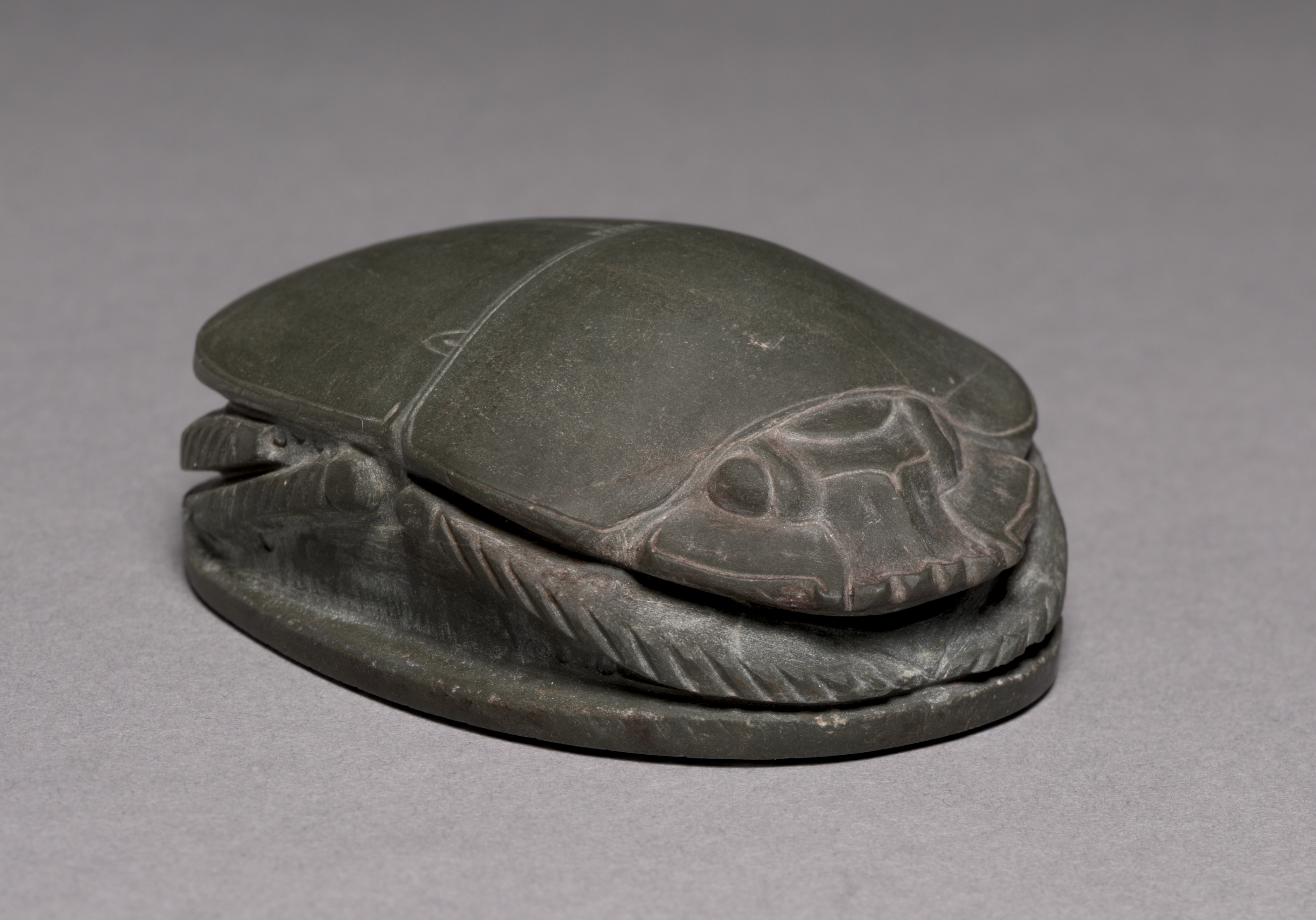
A Dynasty 18 heart scarab made of graywacke. Heart scarabs protected the deceased during the final judgment. The heart was understood as a center of identity, memory and morality and was symbolically weighed against maat.
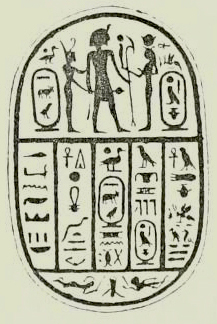
The scarab beetle became closely associated with Khepri and the daily renewal of the sun. That connection made the scarab an enduring Egyptian image of transformation and rebirth.
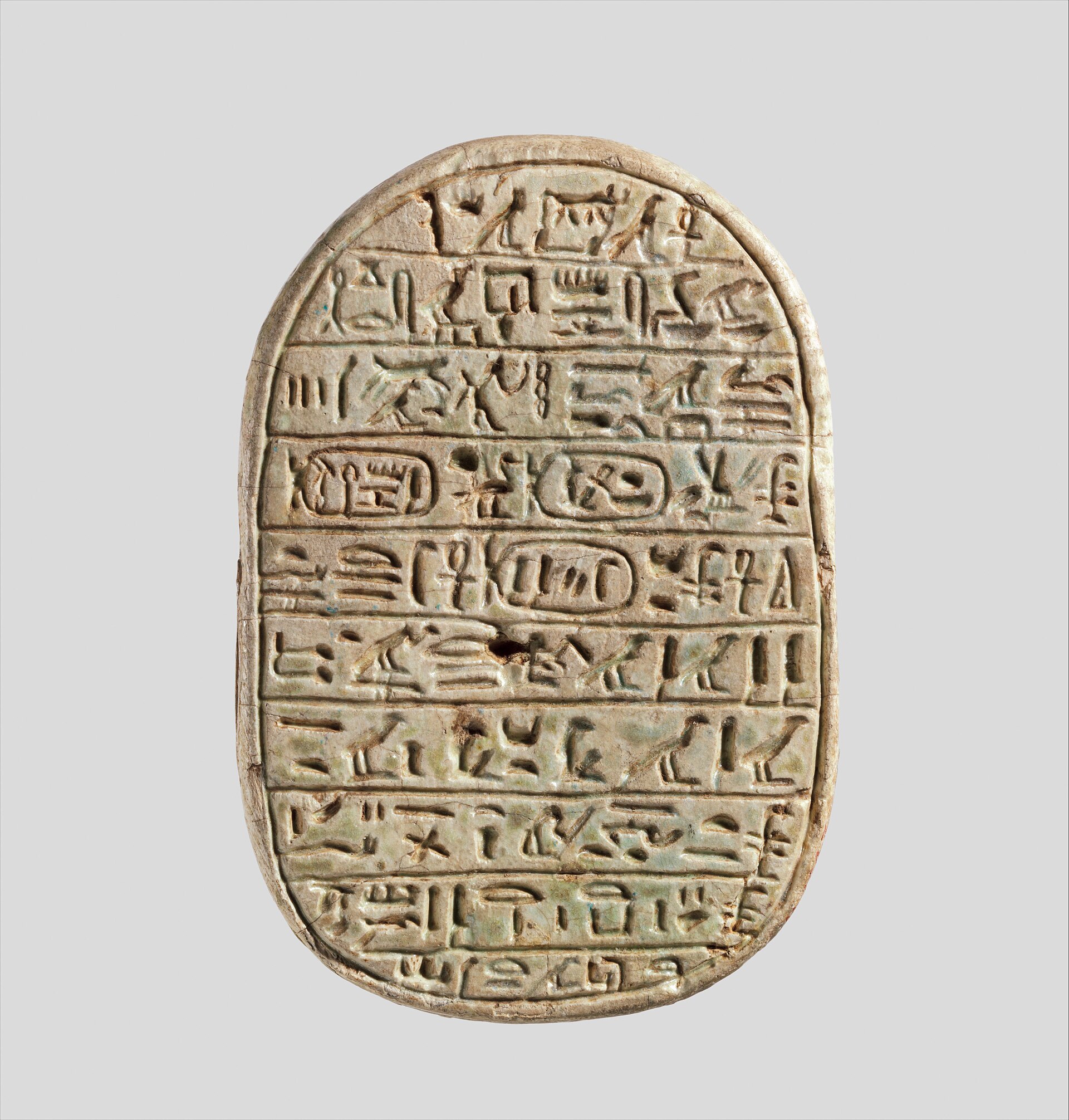
The scarab beetle became closely associated with Khepri and the daily renewal of the sun. That connection made the scarab an enduring Egyptian image of transformation and rebirth.
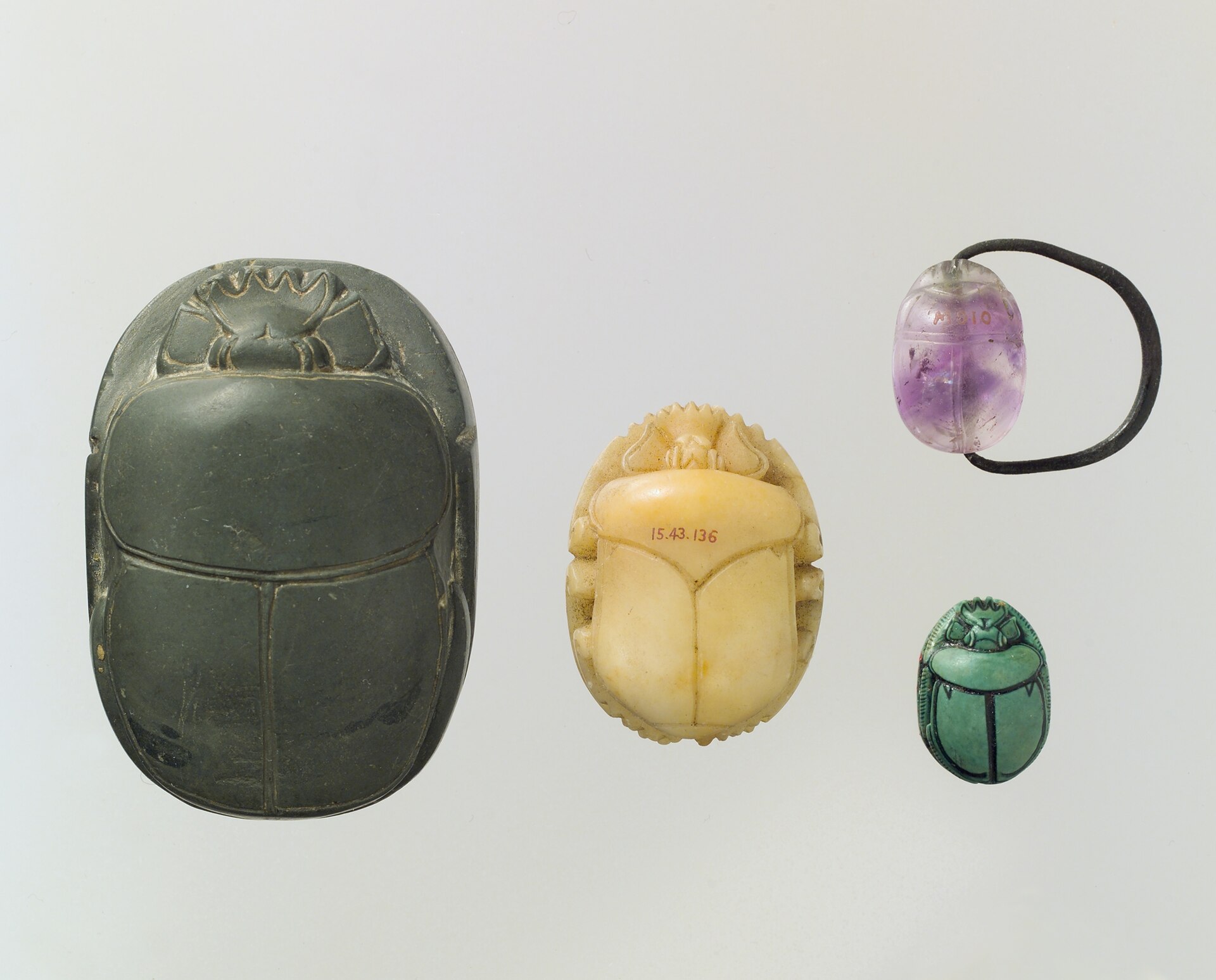
The scarab beetle became closely associated with Khepri and the daily renewal of the sun. That connection made the scarab an enduring Egyptian image of transformation and rebirth.
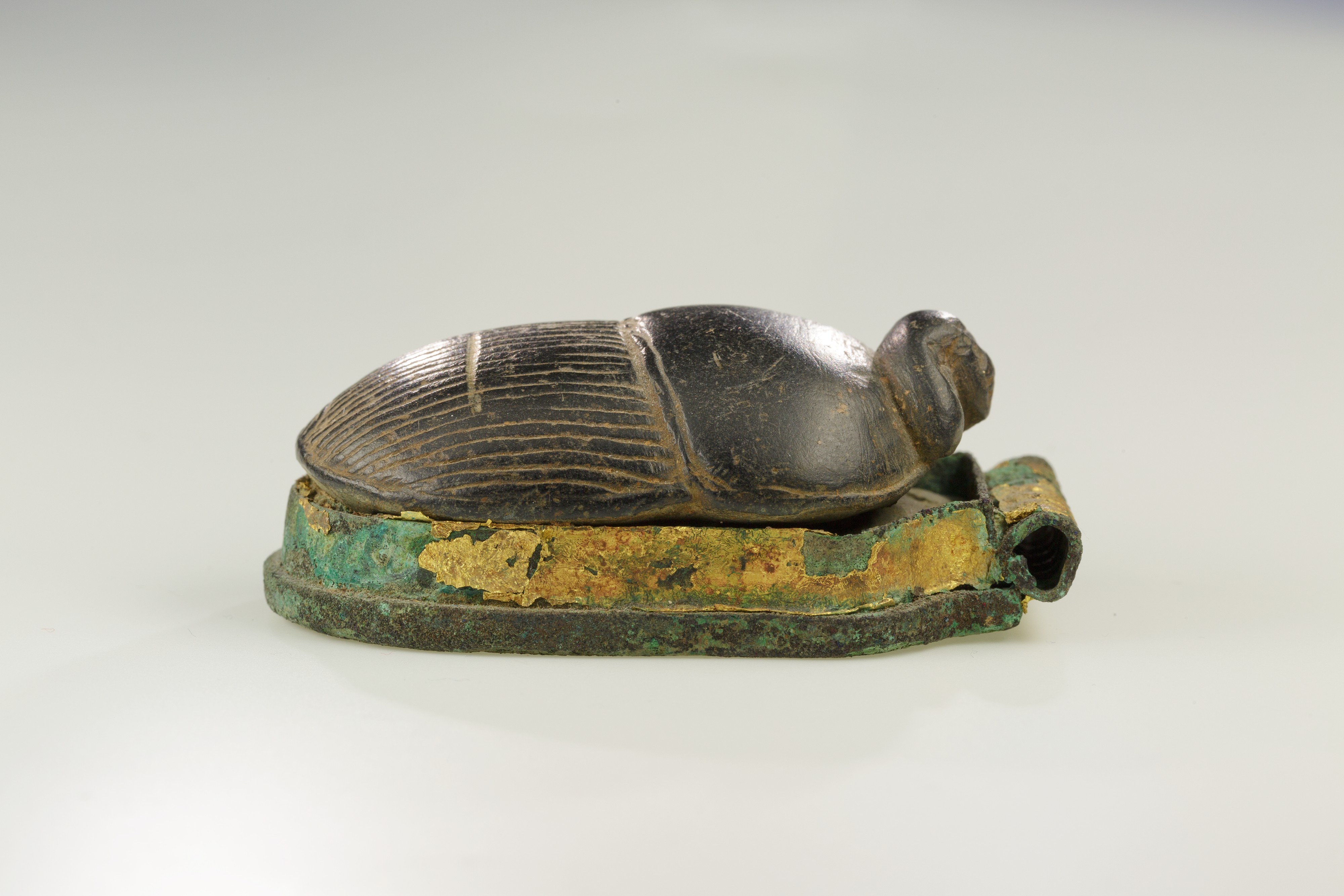
Heart scarabs were funerary amulets associated with judgment after death. Many were inscribed with a form of Book of the Dead Spell 30, asking the heart not to testify against its owner before Osiris.
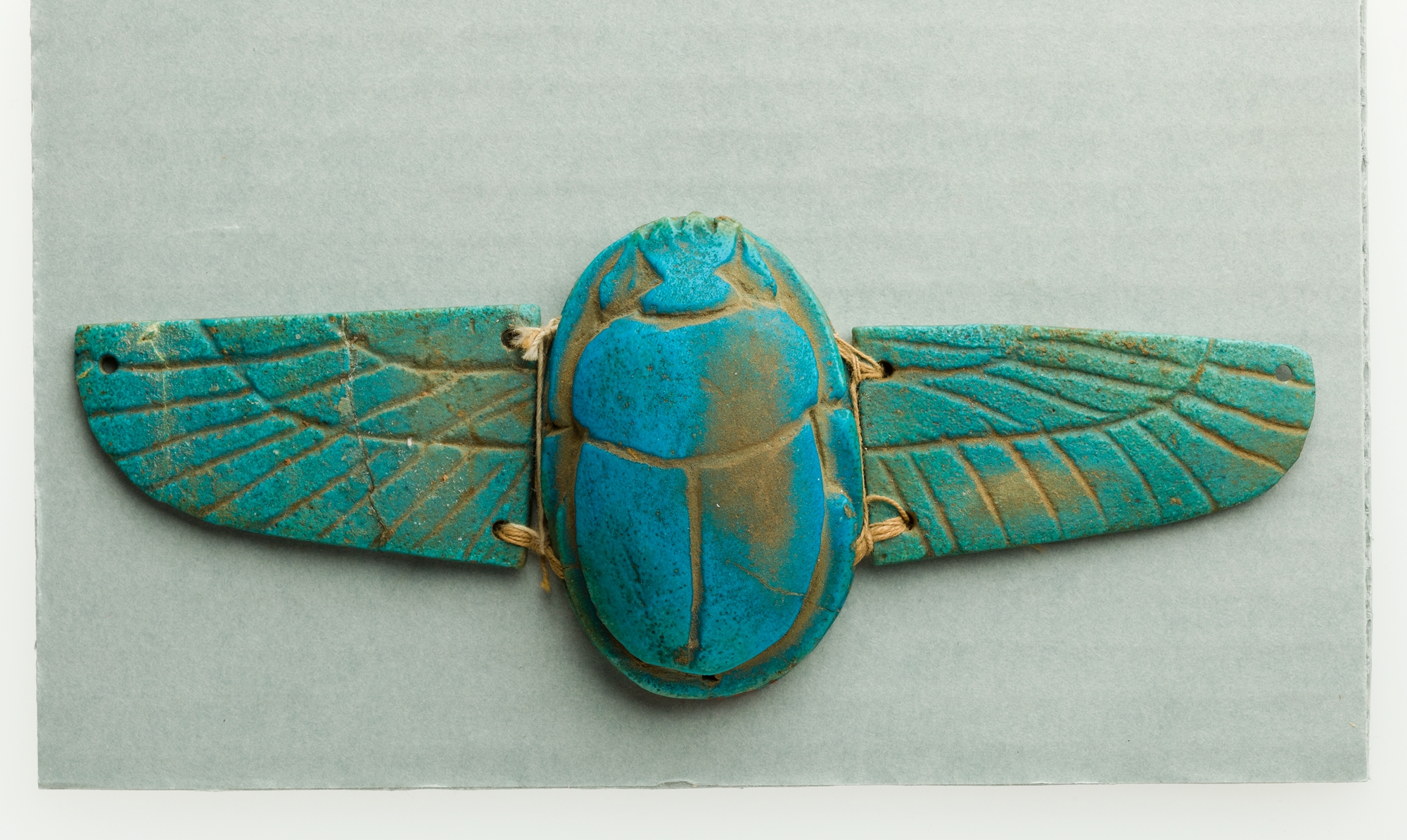
Winged scarabs were funerary emblems of regeneration. Examples were sewn onto mummy wrappings or incorporated into bead nets and placed across the chest.
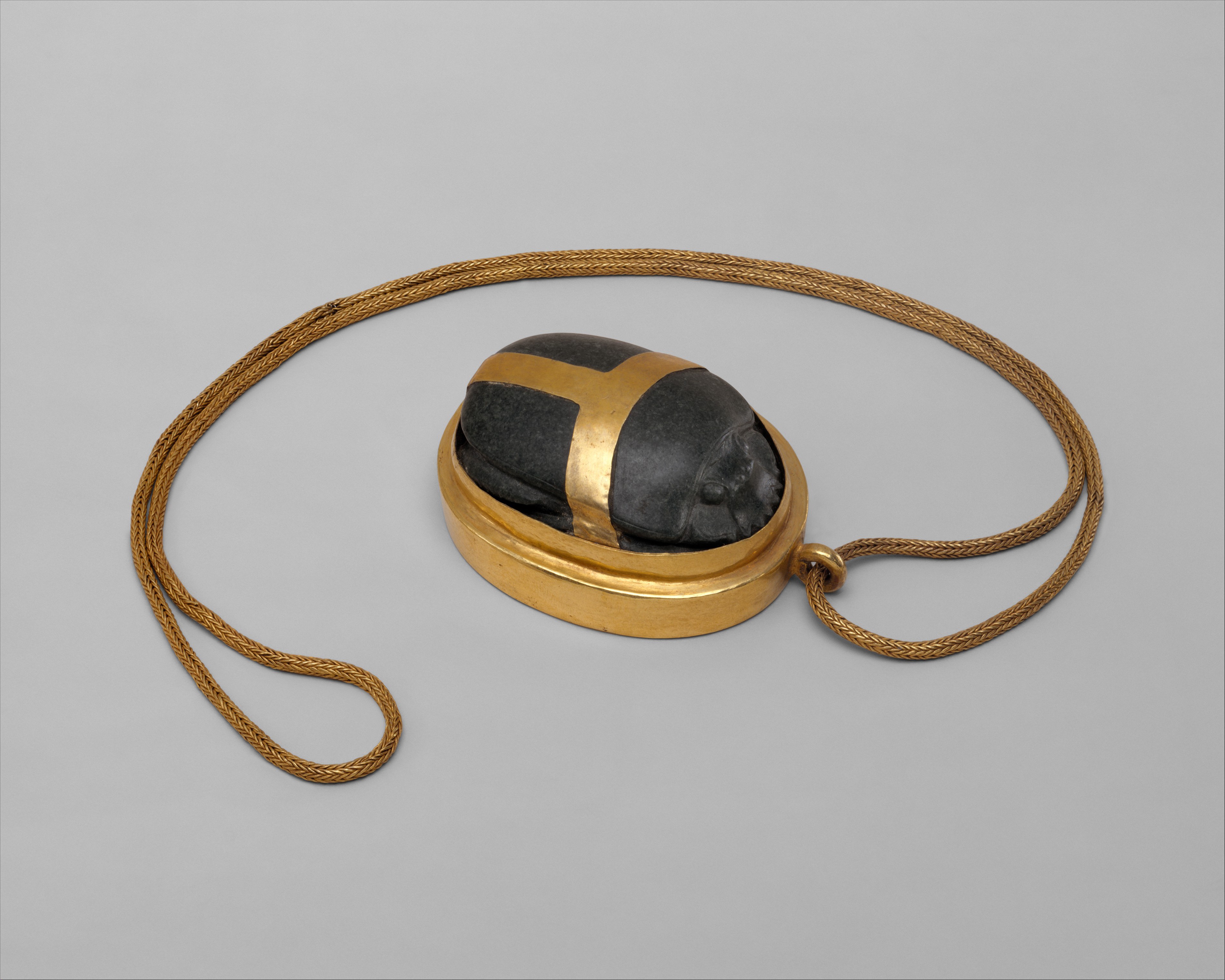
Heart scarabs were funerary amulets associated with judgment after death. Many were inscribed with a form of Book of the Dead Spell 30, asking the heart not to testify against its owner before Osiris.